
Palo del Flamenco Spiegati: Guida per Principianti agli Stili del Flamenco
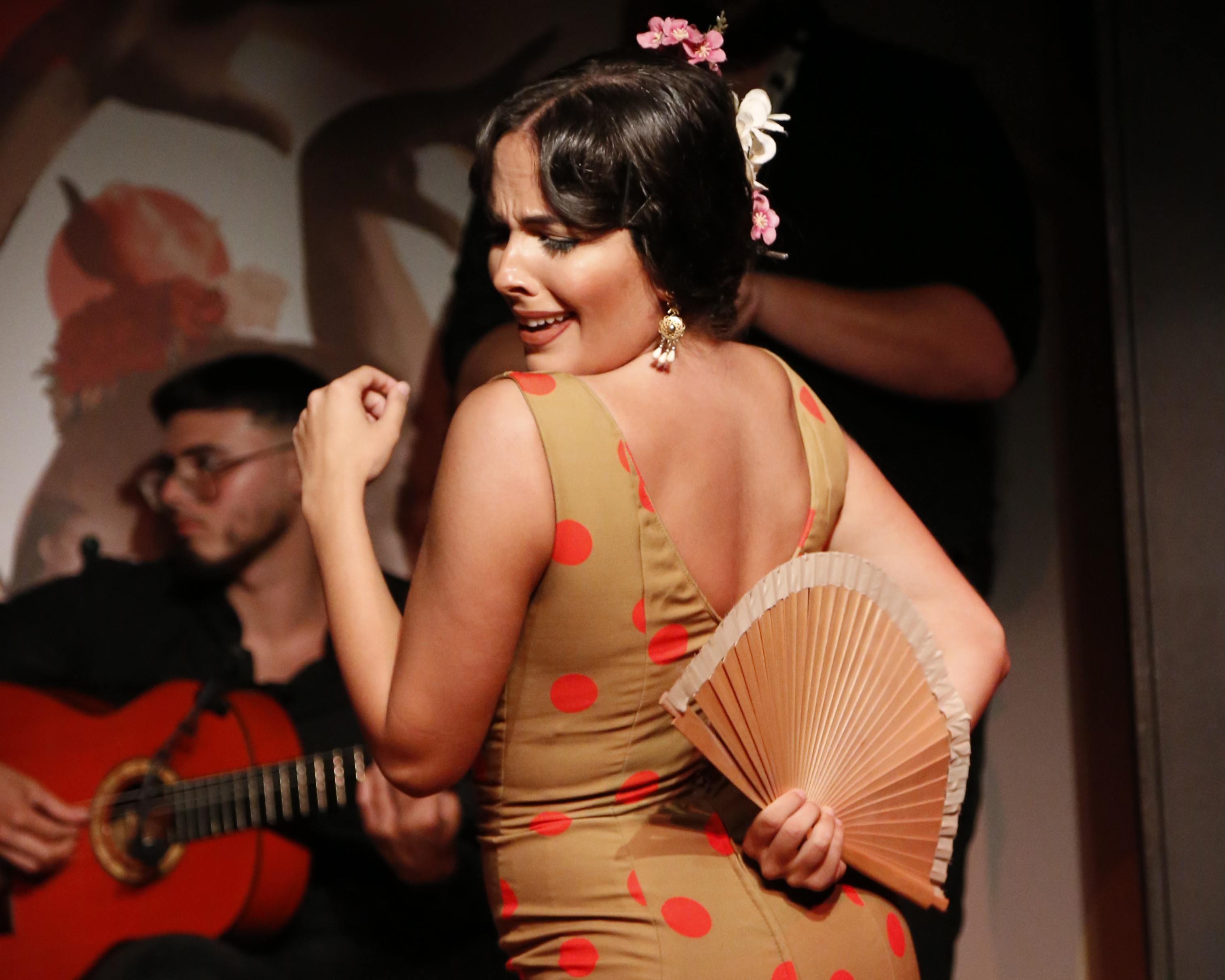
Quando assisti a uno spettacolo di flamenco per la prima volta, ti rendi subito conto che il "flamenco" non è un unico stile. Ogni pezzo sul palco ha il suo stato d'animo, il suo ritmo, la sua storia.
Alcuni sono lenti e gravi, altri sono veloci e festosi, altri ancora sono cantati senza alcuno strumento. Quella che stai guardando è una sequenza di palos, gli stili tradizionali del flamenco che formano il linguaggio di quest'arte.
Questa guida spiega cos'è un palo, come sono classificate le principali famiglie di palos e cosa ascoltare e cercare quando ognuno appare sul palco.
Alla fine, sarai in grado di riconoscere i più importanti stili di flamenco, capire perché ognuno si sente così diverso e goderti uno spettacolo di flamenco con una comprensione molto più profonda di ciò che sta accadendo di fronte a te.
Prenota la tua serata di flamenco dal vivo a El Duende
Cos'è un palo del flamenco?
Un palo è uno stile di flamenco definito da tre cose: il suo compás (schema ritmico), la sua struttura melodica, e il suo carattere emotivo.
Ogni palo ha le sue regole. Una soleá e una bulería condividono molte delle stesse progressioni di accordi, per esempio, ma la soleá è lenta, grave e riflessiva, mentre la bulería è veloce, giocosa e chiude quasi ogni spettacolo di flamenco in bellezza.
Esistono più di cinquanta palos tradizionali, anche se un programma di tablao ne presenta tipicamente tra sei e dieci dei più rappresentativi. Gli artisti non li scelgono a caso.
Uno spettacolo di flamenco è costruito come un arco emotivo, alternando profondità e leggerezza, intimità ed esplosione.
Le tre famiglie dei palos del flamenco
Dal XIX secolo, gli studiosi hanno raggruppato i palos in tre famiglie in base alla loro intensità emotiva e profondità.
La classificazione fu formalizzata per la prima volta da Antonio Machado y Álvarez "Demófilo" nel suo libro del 1881 Colección de cantes flamencos, e rimane il riferimento standard ancora oggi:
Cante jondo (canto profondo): i palos più antichi, seri ed emotivamente intensi. Trattano di morte, sofferenza, perdita e peso esistenziale.
Cante intermedio: palos che si collocano tra la gravità del jondo e la leggerezza del chico. Spesso emotivamente complessi.
Cante chico (canto leggero): i palos più accessibili, festosi e ritmicamente energici. Parlano di amore, gioia, celebrazione e umorismo.
Quasi ogni spettacolo di flamenco alterna le tre famiglie per offrire al pubblico un viaggio emotivo piuttosto che un unico tono.
I principali palos del cante jondo
Questi sono gli stili più antichi e impegnativi. Richiedono un'enorme estensione vocale, onestà emotiva e maestria tecnica dal cantaor (cantante).
Soleá
Spesso definita la "madre del flamenco", la soleá è uno dei palos fondamentali. Il suo nome è una contrazione andalusa di soledad (solitudine), ed è esattamente il suo territorio emotivo: solitudine, riflessione, il peso della vita. Molti altri stili si sono evoluti da esso.
Compás: 12 battiti, con accenti su 3, 6, 8, 10 e 12.
Origine: Triana (Siviglia), Cadice e Jerez de la Frontera.
Cosa osservare: Una danza lenta e deliberata con lunghe pause. Il ballerino mantiene le posizioni, lascia respirare la musica e poi rilascia la tensione in improvvise ed esplosive raffiche di zapateado.
Seguiriya
La seguiriya è, per molti appassionati di flamenco, il palo più profondo di tutti. Tragica, drammatica e ritmicamente complessa, canta della morte, del destino e della perdita irrevocabile.
Compás: Una particolare struttura a 12 battiti che inizia sull'8 ed è percepita in modo molto diverso dalla soleá.
Origine: Cadice, Jerez e Triana, con forti radici gitane.
Cosa osservare: La voce del cantaor che si incrina per l'emozione è intenzionale, non un difetto. È la seguiriya che fa quello che deve fare.
Martinete e Tonás
Le tonás sono un'intera famiglia di palos a cappella cantati senza chitarra, considerati i più arcaici di tutto il flamenco.
Il martinete è il più conosciuto di questi: un canto originariamente associato ai fabbri zingari, accompagnato solo dal martellare ritmico di un piccolo martello (martinete) su un'incudine.
Compás: Ritmo libero (senza metro fisso).
Origine: Le fucine gitane di Triana e Jerez.
Cosa osservare: Quando le luci si abbassano e il chitarrista posa il suo strumento, stai per ascoltare un martinete. È uno dei momenti più essenziali e da brivido di qualsiasi serata di flamenco.
Petenera
Un palo misterioso con un'origine contestata. Alcune tradizioni lo considerano di cattivo auspicio e si rifiutano di eseguirlo. La sua struttura melodica è ossessionante e con un leggero sapore sefardita.
Compás: 12 battiti, con una sensazione interna unica.
Origine: Contesa. Alcune fonti la localizzano a Paterna de Rivera (Cadice).
Cosa osservare: Un'atmosfera solenne, quasi cerimoniale.
I principali palos del cante intermedio
Stili che si collocano tra profondità e accessibilità. Spesso sono quelli in cui si sentono le linee melodiche più belle di un intero spettacolo.
Tientos
I Tientos si sono sviluppati nel XIX secolo come una versione più lenta e pesante dei tangos. Laddove i tangos sono festosi, i tientos sono solenni e contemplativi.
Compás: 4 battiti, lenti e pesanti.
Origine: Andalusia, derivato dai tangos.
Cosa osservare: Spesso abbinati nello stesso pezzo ai tangos. Uno spettacolo può iniziare con i tientos e accelerare nei tangos man mano che si sviluppa.
Tarantos e Tarantas
Questi due palos correlati provengono dalle regioni minerarie di Almería e del Levante. Le loro melodie hanno un distintivo sapore minore che evoca la profondità e il pericolo della miniera.
Compás: La Taranta ha ritmo libero (cantata); il Taranto adatta la stessa melodia a un ritmo ballabile di 4 battiti.
Origine: Distretti minerari di Almería, Jaén e Murcia.
Cosa osservare: Carmen Amaya ballò celebremente i tarantos e li rese parte del repertorio standard del tablao.
Granaína
Da Granada, la granaína è un palo cantato, non tipicamente ballato. La sua linea melodica è una delle più ornate e belle di tutto il flamenco, spesso descritta come musica Mudéjar andalusa trasformata in canto.
Compás: Ritmo libero.
Origine: Granada.
Cosa osservare: Un momento di cante puro, con solo voce e chitarra. Presta attenzione ai melismi, le fioriture ornamentali del cantante.
Malagueña
Un palo flessibile di Malaga, cantato a ritmo libero e noto per la sua profondità emotiva e le sue esigenze vocali.
Compás: Ritmo libero.
Origine: Malaga.
Cosa osservare: Come la granaína, spesso un momento di cante puro non ballato.
I principali palos del cante chico
Il lato festoso e accessibile del flamenco. Questi sono spesso gli stili che attraggono i nuovi arrivati e finiscono per essere i loro preferiti.
Bulerías
Se la soleá è la madre del flamenco, la bulería è la sua celebrazione selvaggia. Veloce, giocosa e improvvisata, è il palo che chiude quasi ogni spettacolo di flamenco, il fin de fiesta.
Gli artisti improvvisano brevi assoli chiamati patás e il resto del cuadro li incita.
Compás: 12 tempi, ma molto più veloce della soleá e percepito in modo molto diverso.
Origine: Jerez de la Frontera.
Cosa osservare: Guarda i sorrisi. La Bulerías è l'unico palo in cui gli artisti si divertono apertamente sul palco.
Alegrías
Il nome significa letteralmente "gioie". Alegrías è il palo luminoso e solare di Cadice, con una sensazione di tonalità maggiore insolita nel flamenco.
Compás: 12 tempi, strutturalmente simile alla soleá ma in tonalità maggiore e a un tempo più veloce.
Origine: Cadice.
Cosa osservare: Un elegante e leggero gioco di gambe; abiti lunghi e fluenti (batas de cola); un senso di festa senza perdere l'ardore del flamenco.
Tangos flamencos
Da non confondere con il tango argentino. Tangos flamencos sono uno dei palos più accessibili e ritmicamente chiari, con un impulso forte e ballabile.
Compás: 4 tempi.
Origine: Triana e Cadice.
Cosa osservare: Il compás è così chiaro che puoi battere le mani dopo pochi secondi.
Fandango
Il fandango è una vasta famiglia di palos, con molte varianti regionali: fandangos de Huelva, fandangos de Lucena, malagueñas (tecnicamente un fandango libero), granaínas, e altri.
Il fandango personal è un fandango cantato a ritmo libero con un proprio timbro melodico.
Compás: O 3/4 (fandango ballabile) o ritmo libero (fandango da concerto).
Origine: Diverse regioni andaluse, con tradizioni particolarmente forti a Huelva.
Cosa osservare: Se senti uno schema di danza chiaro a tre tempi, stai molto probabilmente ascoltando un fandango de Huelva.
Farruca
Un palo relativamente recente (è entrato nel flamenco intorno al 1900) con origini nel nord della Spagna.
La farruca è tradizionalmente ballata dagli uomini, con un energico gioco di piedi e un carattere forte, quasi marziale.
Compás: 4 tempi.
Origine: Originariamente galiziano o asturiano; introdotto nel flamenco da artisti gitani a Madrid.
Cosa osservare: Potente danza solista maschile. Alcuni dei più spettacolari zapateado in qualsiasi spettacolo di flamenco avvengono durante una farruca.
Rumba flamenca
Lo stile flamenco più accessibile, nato dall'incontro tra la rumba cubana e il flamenco andaluso e catalano nel XX secolo. Band come i Gipsy Kings hanno reso popolare la rumba flamenca a livello internazionale.
Compás: 4 tempi.
Origine: Cuba e Andalusia, con una variante di rumba catalana sviluppata a Barcellona stessa (Peret, Gato Pérez).
Cosa osservare: Energia da cantare insieme, battito di mani, una chiara sensibilità pop.
Sevillanas
Tecnicamente più una danza popolare che un vero e proprio palo flamenco, ma inseparabile dal mondo più ampio della musica andalusa. Ballata in coppia a ogni fiera di primavera (Feria) a Siviglia.
Compás: 3/4.
Origine: Siviglia.
Cosa osservare: Danza di coppia con passi codificati. Le Sevillanas sono raramente il pezzo forte di uno spettacolo di tablao ma appaiono spesso nella celebrazione finale.
Come riconoscere un palo durante uno spettacolo
Non è necessario memorizzare le regole. Alcuni semplici indizi ti permetteranno di identificare ciò che stai guardando:
Ascolta il battito delle mani (palmas). Se i palmeros battono un lento schema di 12 tempi, sei nel territorio della soleá o della seguiriya. Un veloce 12 tempi con urla significa bulerías. Un chiaro impulso a 4 tempi è tangos, tientos o farruca.
Osserva l'atmosfera della danza. Lento e grave con posizioni lunghe e mantenute: cante jondo. Veloce e giocoso con sorrisi: cante chico.
Controlla se la chitarra sta suonando. Se il cantaor canta senza chitarra, è un martinete, una toná o una saeta.
Nota il costume. Batas de cola (abiti lunghi con strascico) spesso indicano alegrías o guajiras. Un abito nero e sobrio di solito indica soleá o seguiriya.
Quali palos vengono solitamente eseguiti in un tablao
Uno spettacolo di flamenco tipico in un tablao programma tra sei e dieci palos in un arco strutturato:
Un apertura spesso basata su tientos o tangos.
Un momento profondo di soleá o seguiriya.
Un palo di cante puro (granaína, martinete o malagueña) dove il cantante è sotto i riflettori.
Una danza luminosa come alegrías o tarantos.
Un assolo maschile, spesso una farruca.
Una celebrazione finale in bulerías, dove l'intero cuadro improvvisa insieme.
Questa è la struttura che la maggior parte dei tablaos professionali in Spagna segue, con variazioni a seconda degli artisti e della serata.
Presso El Duende by Tablao Cordobés, il programma ruota regolarmente in modo che ogni sera offra una combinazione leggermente diversa.
Domande frequenti sui palos del flamenco
Quanti palos di flamenco ci sono?
Ci sono più di 50 palos tradizionali, anche se solo circa 15-20 vengono regolarmente eseguiti nei tablaos professionali. L'elenco completo include molte variazioni regionali di fandangos, cantes de las minas e altri stili meno comuni.
Qual è il palo di flamenco più famoso?
Bulerías è il più riconoscibile a livello internazionale grazie alla sua energia festosa e al suo ruolo di pezzo di chiusura di quasi ogni spettacolo di flamenco. Soleá è il più rispettato all'interno del flamenco stesso.
Qual è la differenza tra flamenco e Sevillanas?
Le Sevillanas sono una danza popolare andalusa, ballata in coppia nelle fiere e nei matrimoni, con coreografie fisse. Il Flamenco è un'arte performativa con profonde radici zingare e una gamma emotiva e ritmica molto più ampia.
Le Sevillanas sono spesso eseguite alla fine degli spettacoli di flamenco, ma tecnicamente sono folklore piuttosto che flamenco vero e proprio.
Tutti i palos hanno testi?
La maggior parte dei palos ha un testo cantato (letra), spesso incentrato su temi d'amore, sofferenza, identità o il mondo naturale. Pochi palos sono puramente strumentali o ballati senza canto, ma sono l'eccezione.
Posso imparare a ballare i palos di flamenco da principiante?
Sì. Molte persone iniziano con tangos o sevillanas perché il loro compás è chiaro. Soleá e bulerías sono tecnicamente impegnativi e di solito arrivano più tardi nell'allenamento di un ballerino.
Guarda i palos di flamenco dal vivo a Barcellona
Leggere sui palos di flamenco è il primo passo. Ascoltarli in una piccola stanza, a due metri dagli artisti, è il momento in cui tutto trova il suo posto.
Il compás smette di essere teorico, il cante colpisce nel petto e la differenza tra una soleá e una bulería diventa ovvia in pochi secondi.
A El Duende by Tablao Cordobés su La Rambla 33, ogni sera presenta un programma curato dei più importanti palos di flamenco, eseguiti da artisti professionisti in un ambiente intimo progettato per la musica.
Vieni per la soleá, rimani per le bulerías e scopri perché questi stili sono durati per quasi due secoli.