
Jaleo Flamenco: I Canti Che Danno Vita a Uno Spettacolo
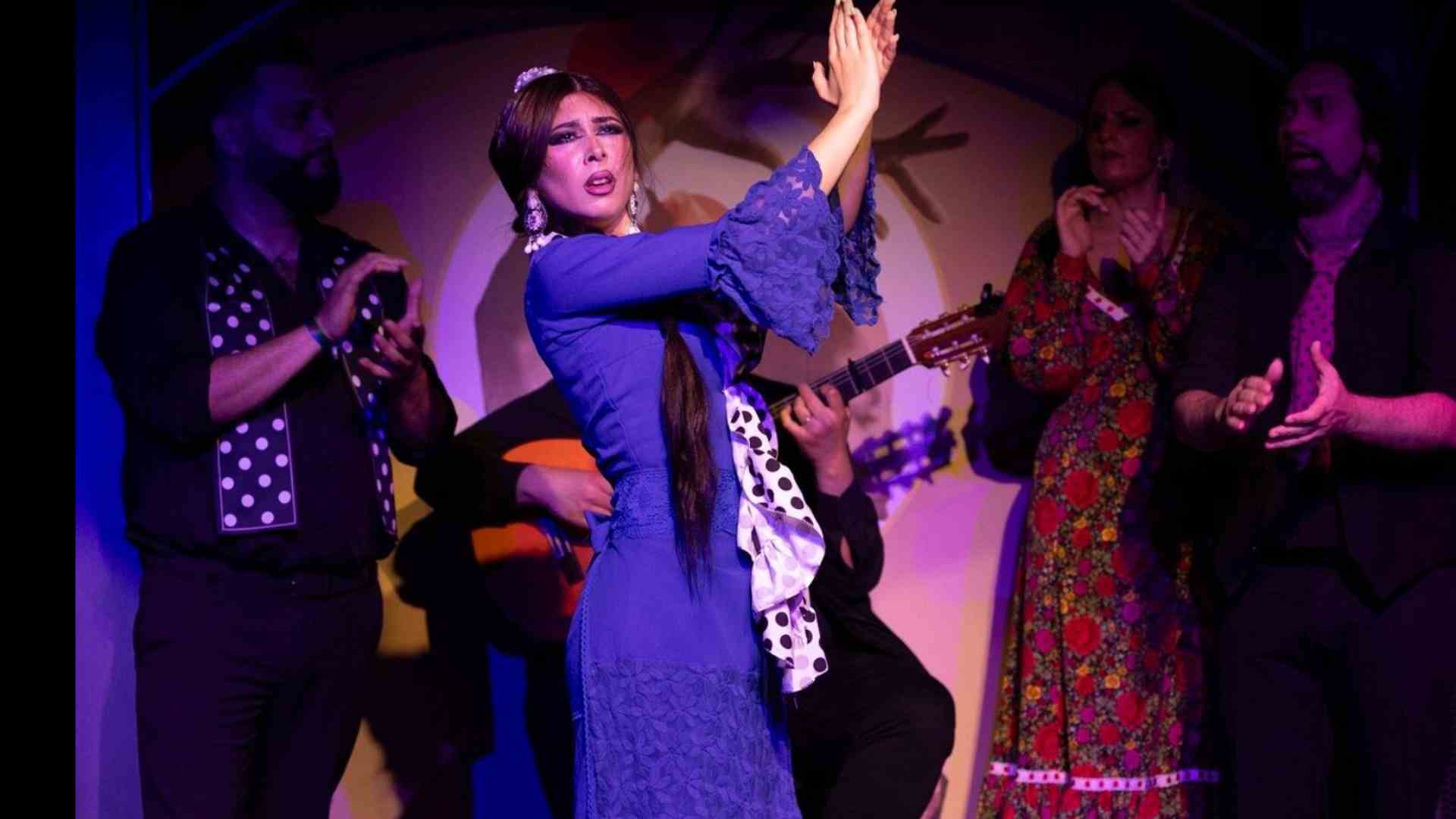
Immaginate la scena. Un chitarrista si china sul suo strumento, una cantante chiude gli occhi e una ballerina attende immobile al centro del palco. Poi, da qualche parte nell'ombra, una voce grida: "¡Arsa!" Le braccia della ballerina si alzano, i suoi tacchi rispondono e improvvisamente tutta la sala è sveglia. Quel grido, e ogni "olé" e "vamos" che segue, ha un nome. Si chiama jaleo, e una volta che lo capirete, non guarderete mai più il flamenco nello stesso modo.
In questa guida esploriamo il significato del jaleo flamenco, da dove proviene, le parole che è più probabile sentire e come funziona insieme al battito delle mani e al ritmo per trasformare una performance in qualcosa di indimenticabile. A El Duende, il nostro bar flamenco su La Rambla a Barcellona, ascoltiamo il jaleo ogni notte dell'anno, quindi questo è un argomento molto vicino ai nostri cuori.
Cos'è il Jaleo nel Flamenco?
La parola jaleo deriva dal verbo spagnolo jalear, che significa incitare o incoraggiare con grida. Nel parlato quotidiano spagnolo, jaleo può anche significare chiasso o una vivace confusione. Nel flamenco, si riferisce alle esclamazioni spontanee che artisti e membri del pubblico esperti lanciano durante una performance: brevi esplosioni di lode, incoraggiamento e pura emozione.
Il jaleo è molto più di un rumore. È una forma di comunicazione. Quando un cantante pronuncia una frase con particolare profondità, un "olé" al momento giusto le dice che il messaggio è arrivato. Quando un ballerino raccoglie energia prima di una sezione di footwork impegnativa, un grido di "vamos allá" lo spinge in avanti come una mano sulla schiena. Gli artisti sul palco si "jaleano" a vicenda costantemente, tessendo una rete di supporto reciproco che tiene unita la performance.
Per i neofiti, questa può essere una delle scoperte più sorprendenti in uno spettacolo dal vivo. Il flamenco si aspetta partecipazione. Il confine tra palco e pubblico è per sua natura poroso, e il jaleo è il traffico che lo attraversa.
Le Parole del Jaleo: Olé, Arsa, Agua e Altro
Ogni tablao ha il suo paesaggio sonoro, ma certe espressioni appaiono ancora e ancora. Queste sono le parole di jaleo che è più probabile sentire a uno spettacolo di flamenco:
¡Olé! Il più famoso di tutti. Esprime ammirazione e approvazione, e può essere sussurrato, ringhiato o gridato a seconda del momento. Alcuni studiosi ne fanno risalire le origini all'arabo "wallah," un'invocazione del divino, il che dice molto sulla riverenza racchiusa in quelle tre lettere.
¡Arsa! (anche sentito come ¡anda! o ¡arza!) Un grido di incoraggiamento, più o meno equivalente a "forza!" o "vai!". Spesso arriva proprio quando un ballerino inizia una nuova sezione.
¡Agua! Letteralmente "acqua". Celebra qualcosa di particolarmente fresco, fluido o bello, come se l'arte stessa stesse placando una sete.
¡Eso es! "Esatto!" Una conferma che l'artista ha trovato l'esatto centro emotivo del momento.
¡Toma que toma! Un'esclamazione di gusto, qualcosa come "prendilo, prendilo!". Esorta l'artista a continuare a spingere.
¡Guapa! / ¡Guapo! Un complimento all'artista, che celebra la grazia e la presenza tanto quanto la bellezza fisica.
Il tempismo è importante quanto il vocabolario. Un buon jaleo si inserisce negli spazi di respiro della musica, tra le frasi e ai picchi di intensità, dove alimenta la performance invece di interromperla. Ben eseguito, diventa parte del ritmo stesso.
Da Dove Proviene il Jaleo?
Il jaleo è antico quanto il flamenco stesso. Questa forma d'arte nacque da incontri intimi nelle case, nei patii e nelle taverne andaluse durante i secoli XVIII e XIX, dove famiglie Gitano e Andaluse cantavano e ballavano l'una per l'altra in cerchi ristretti. In quegli ambienti non c'era affatto un pubblico formale. Tutti i presenti battevano le mani, cantavano, gridavano e incoraggiavano, e il jaleo era il collante dell'incontro.
Quando il flamenco si spostò nei cafés cantantes del XIX secolo, e più tardi nei teatri e nei tablaos, le grida lo accompagnarono. La tradizione si dimostrò così sorprendente per gli estranei che il pittore americano John Singer Sargent intitolò la sua famosa tela del 1882 di una scena di danza spagnola "El Jaleo", catturando lo scambio elettrico tra una ballerina e i musicisti che la incitavano.
La parola nomina anche una specifica forma di canto e danza festiva, i jaleos, che fiorì in Estremadura e condivide legami familiari con le bulerías. Quindi, se mai vedrete "jaleo" elencato in un programma, potrebbe riferirsi sia a quel vivace palo che alle grida. Entrambi i significati indicano lo stesso spirito: celebrazione, slancio e gioia.
Jaleo, Palmas e Compás: La Sala Macchine del Flamenco
Per capire perché il jaleo sia così importante, è utile vederlo come uno strumento all'interno del motore ritmico del flamenco. La base è il compás, il ciclo ritmico che governa ogni palo. Sopra il compás si posano le palmas, gli intricati schemi di battiti di mani che segnano e decorano il ritmo. Poi arrivano il footwork del ballerino, le nocche che battono sulla chitarra, e infine il jaleo, che punteggia tutto come gli stacchi di ottoni in una grande orchestra.
Osservate gli artisti seduti sul retro del palco durante l'assolo di qualcun altro. Lavorano per tutto il tempo: battono le palmas, marcano il compás con i tacchi e lanciano jaleo nei momenti precisi. Nel flamenco, non ci sono momenti passivi sul palco. Questo impulso collettivo spiega perché una grande performance di tablao sembra meno un recital e più un organismo vivente.
A El Duende, prodotto e diretto dal team dietro il leggendario Tablao Flamenco Cordobes, i nostri artisti hanno trascorso le loro vite all'interno di questo motore. Da quando il tablao originale aprì nel 1970, accogliendo icone come Camarón de la Isla e Lola Flores, quella tradizione di energia totale dell'ensemble è passata di generazione in generazione. Quando sentite il nostro cantante ringhiare "¡eso es!" al nostro ballerino a metà giro, state ascoltando una conversazione iniziata mezzo secolo fa.
Il Pubblico Può Partecipare? Una Breve Guida all'Etichetta del Jaleo
Sì, e gli artisti lo apprezzano sinceramente, con un po' di attenzione. Un sentito "olé" dopo un momento potente di canto o una sequenza mozzafiato di footwork sarà sempre ben accetto. Alcune semplici linee guida ti aiuteranno a sembrare un esperto aficionado:
Segui la sala. Lascia che gli artisti e gli spettatori esperti facciano da guida, e aggiungi la tua voce una volta che senti il ritmo della serata.
Punta alle pause. Gli spazi naturali di respiro alla fine di una frase o di una sezione di footwork sono i punti ottimali per il jaleo.
All'inizio lascia le palmas ai professionisti. Il battito di mani nel flamenco segue schemi complessi, e un battito fuori tempo è più difficile da assorbire di un grido fuori tempo.
Soprattutto, reagisci onestamente. Il jaleo esiste per veicolare vera emozione. Se un momento ti emoziona, dillo ad alta voce.
In un ambiente intimo questo scambio diventa particolarmente potente. El Duende ospita un massimo di 120 persone, abbastanza vicine al palco da vedere ogni sguardo tra gli artisti. In una sala di quelle dimensioni, il tuo "olé" raggiunge gli artisti istantaneamente, e spesso li vedrai rispondere con un lampo negli occhi o un tocco in più. Il pubblico diventa parte dello strumento.
Jaleo e Duende: Due Parole Che Spiegano il Flamenco
Il flamenco ha regalato al mondo due parole splendidamente intraducibili. La prima è jaleo, la scintilla udibile che vola tra le persone durante uno spettacolo. La seconda è duende, la forza misteriosa che il poeta Federico García Lorca ha descritto come qualcosa che non si può imparare, solo vivere: il brivido che ti corre lungo la schiena quando un cantante tiene una nota impossibile o un ballerino volteggia oltre i limiti della tecnica.
I due sono profondamente connessi. Il jaleo è spesso il primo segno visibile che il duende è entrato nella stanza. Quando le grida diventano urgenti e involontarie, quando persino gli spettatori più tranquilli si ritrovano a richiamare, sai che la notte ha varcato un territorio raro. Abbiamo chiamato il nostro locale El Duende proprio alla ricerca di quelle notti, e abbiamo progettato tutto, dalla vicinanza dei posti al calore dell'illuminazione, per invitare quella magia.
Vieni a Sentire il Jaleo di Persona
Puoi leggere del jaleo, guardare video e studiare il vocabolario, ma quest'arte esiste veramente solo dal vivo, in una piccola sala, con un drink in mano e il compás che vibra attraverso il pavimento. El Duende by Tablao Cordobes si trova a La Rambla 33, nel cuore di Barcellona, e ogni sera i nostri artisti riversano cinquantacinque minuti di canto, danza e jaleo su un pubblico seduto a pochi passi dal palco.
Unisciti a noi. Prenota i tuoi biglietti, accomodati al tuo posto e, quando il momento ti rapisce, lascia volare il tuo "¡olé!". Noi saremo in ascolto.