
バルセロナで体験する文化 | アート、建築、フラメンコ(エル・ドゥエンデ)
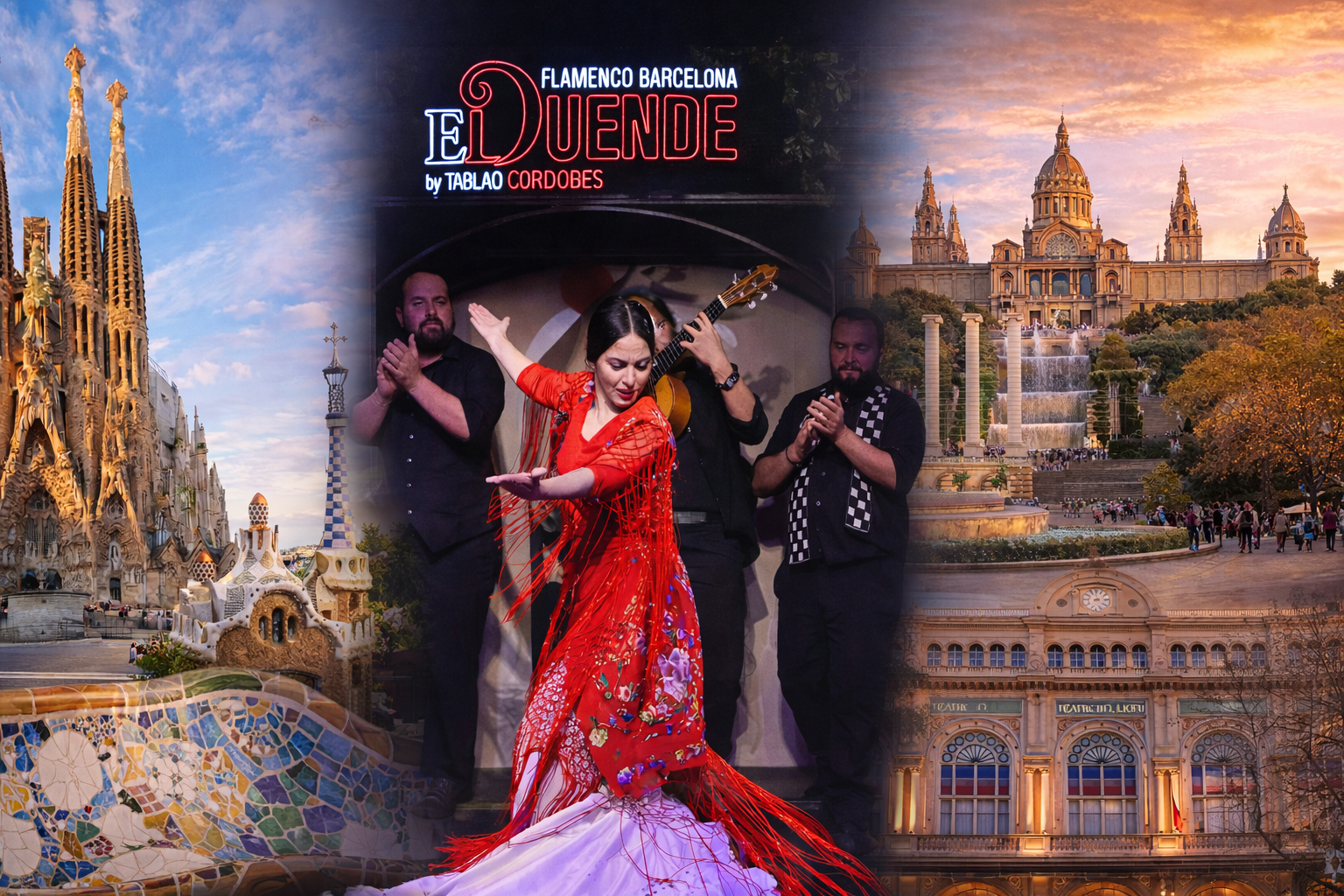
バルセロナは世界でも数少ない都市の一つで、朝にはロマネスク様式の礼拝堂を通り過ぎ、昼にはガウディの傑作に没頭し、昼食後にはピカソのオリジナル作品を鑑賞し、夜には1847年建造の劇場でオペラを聴き、そして夜の終わりには生演奏のフラメンコショーを楽しむことができます。これらすべてがわずか数平方キロメートル圏内で完結します。
都市を訪れる主な理由として文化を重視する旅行者にとって、バルセロナは格別の存在です。
このガイドでは バルセロナの最高の文化体験をカテゴリー別にまとめ、実践的なヒントと、本当に時間をかける価値のあるものについて正直な意見を述べています。
最後に、バルセロナで最も思い出深い文化的な夜をご紹介します:生演奏のフラメンコを タブラオ・コルドベスによるエル・ドゥエンデで、ラ・ランブラ33番地にて。
建築とカタルーニャ・モダニズム
もしバルセロナに決定的な文化的アイデンティティがあるとすれば、それは カタルーニャ・モダニズム (モダニズム)です。アール・ヌーヴォーの地方版であり、20世紀初頭の建築物においてヨーロッパで最も壮観な集中度をバルセロナにもたらしました。
サグラダ・ファミリア、今や世界で最も高い教会
アントニ・ガウディの傑作の建設は 1882 2026年2月に、大聖堂は建築史上最も待ち望まれていた節目の一つに到達しました。それは イエス・キリストの塔が完成したことです。高さ172.5メートルに達し、サグラダ・ファミリアは1890年以来そのタイトルを保持していたドイツのウルム大聖堂を抜き、公式に世界で最も高い教会となりました。
この塔は、 2026年6月10日、レオ14世教皇によって正式に奉献されました。ガウディの死からちょうど100年後のことです。
大聖堂は現在、構造的には完成していますが、計画されている主要な入り口である栄光のファサードは2034年から2035年頃に完成予定であり、イエスの塔に設けられる新しい一般公開展望台は2027年にオープンします。
要するに、今年はサグラダ・ファミリアの全歴史の中で最も特別な訪問年となります。内部に入ると、その体験はほとんど感覚的です。ステンドグラスを通して光が差し込み、ガウディが石の森としてデザインした柱を、絶えず変化する色彩の大聖堂へと変貌させます。
実用的なヒント: 特に2026年は、少なくとも2週間前までにチケットを予約してください。塔への入場枠は最も早く売り切れます。西側の窓から最も暖かな光が差し込む夕方に訪れるのがおすすめです。
グエル公園
サグラダ・ファミリアがガウディの最も記念碑的な側面を示すとすれば、 グエル公園 は彼の最も遊び心のある側面を示しています。もともと1900年にバルセロナのブルジョアジーのための庭園都市として構想されましたが、商業的に失敗し、最終的に1926年に公共公園として開園しました。
残されたものは、ヨーロッパで最も写真に撮られる場所の一つです。入り口のモザイクサンショウウオ、自然広場の波打つセラミックベンチ、柱廊式のハイポスタイル・ホール、そして地中海を見下ろすパノラマテラスなどがあります。「モニュメンタル・ゾーン」は有料チケットが必要ですが、周辺の公園は無料です。
カサ・バトリョ
グラシア通りに面した カサ・バトリョ (1904年~1906年)は、ガウディの最も幻想的な作品です。色ガラスや陶器の破片で覆われたファサードは、聖ゲオルギオスと竜の伝説を表しており、湾曲した屋根は竜の背骨、小さな尖塔は聖ゲオルギオスの槍に見立てられています。内部には直線が一切なく、すべての表面が曲線を描き、呼吸し、まるで生きているかのようです。
カサ・ミラ(ラ・ペドレラ)
グラシア通りを2ブロック上がったところに カサ・ミラがあります。「石切場」を意味する ラ・ペドレラ という別名でも知られています。その粗い石造りのファサードにちなんで名付けられました。1906年から1912年にかけて建設され、ガウディがサグラダ・ファミリアに専念する前の最後の民間建築作品です。彫刻的な煙突が並ぶ有名な屋上は、ヨーロッパで最もシュールな建築空間の一つです。
グエル邸
ラ・ランブラ通りからすぐのところに グエル邸 (1886年~1888年)は、実業家エウゼビ・グエル氏のために建てられたガウディの最初の主要な委託作品でした。後年の作品よりは小規模ですが、すでに大胆な邸宅であり、ユネスコ世界遺産に登録されており、この建築家の進化を理解するための優れた出発点となります。
カタルーニャ音楽堂
カタルーニャ・モダニズムのすべてがガウディだけではありませんでした。 リュイス・ドメネク・イ・モンタネール は カタルーニャ音楽堂 を1905年から1908年にかけて、オルフェオー・カタラ合唱団のためのコンサートホールとして建設しました。逆さまのステンドグラスの天窓、モザイクの柱、舞台を囲む彫刻されたミューズなど、その内装は世界で最も壮観なコンサートホールとして広く評価されています。1997年にはユネスコの認定を受けました。もし可能であればコンサートに参加してみてください。そうでなくても、ガイド付きツアーは一分一秒の価値があります。
美術館とアートコレクション
バルセロナの美術館シーンは、千年前に描かれたロマネスク様式のフレスコ画から、最先端の現代アートまで多岐にわたります。
カタルーニャ美術館 (MNAC)
モンジュイックの丘にある 国立宮殿 に収蔵されているMNACは、カタルーニャ美術の最も重要なコレクションを所蔵しています。その ロマネスク様式のフレスコ画は、20世紀初頭にピレネー山脈の教会から救出されたもので、世界最高峰のものとされています。
ゴシック、ルネサンス、モダニズムのギャラリーでは、この地域の芸術的な進化をたどることができ、テラスからは市街の最高のパノラマビューの一つを楽しめます。
ピカソ美術館
ボルン地区にある ピカソ美術館 は、アーティストの4,000点以上の作品を所蔵しており、特に彼の バルセロナでの初期の時代、パリへ発つ前の形成期に焦点を当てています。
このコレクションは5つの中世の邸宅に収蔵されており、画家がどのようにしてピカソになったのかを理解する上で不可欠です。
ジョアン・ミロ財団
モンジュイックの丘には ジョアン・ミロ財団 もあり、ヨーロッパで最も優れた単一アーティスト美術館の一つです。1975年にジュゼップ・リュイス・セルトによって設計されたこの建物自体が芸術作品であり、テラス、彫刻庭園、そしてミロの喜びにあふれたシュールレアリスムのキャンバスや彫刻に自然光が降り注ぎます。
MACBAとCCCB
現代文化に関しては、エル・ラバルにある バルセロナ現代美術館 (MACBA) (1995年築のリチャード・マイヤーによる輝く白い建物)と、その隣にある バルセロナ現代文化センター (CCCB)は、南ヨーロッパで最も興味深い展覧会をいくつか企画しています。CCCB広場は、市内で最も有名なスケートボードスポットの一つでもあります。
散策する歴史的な地区
旧市街を巡るウォーキングツアーは、バルセロナで最も価値のある文化活動の一つです。
ゴシック地区(Barri Gòtic)
バルセロナの中世の中心地で、狭い通り、隠れた広場、そして舗道に埋め込まれたガラスパネルから見えるローマ時代の遺跡があります。
その バルセロナ大聖堂は1298年に着工され、この地区を象徴しています。「 レイ広場」もお見逃しなく。ここでは1493年にアメリカ大陸から帰還したクリストファー・コロンブスがカトリック両王に謁見したと言われています。
エル・ボルン
ゴシック地区のすぐ東に位置する エル・ボルン は、中世の建築と、ブティック、カクテルバー、小さなギャラリーが並ぶスタイリッシュな現代的な光景が融合しています。「 サンタ・マリア・デル・マル大聖堂 」(1329年~1383年)は、カタルーニャ・ゴシック建築の最も純粋な例の一つであり、この地区の精神的な中心地です。
エル・ボルン文化センターは、1714年の包囲戦の考古学的遺跡を中心に建てられており、カタルーニャの歴史への感動的な入門となります。
エル・ラバル
ランブラ通りの西に位置する エル・ラバル は、ここ数十年で市内で最も多様で創造的な地区の一つへと変貌しました。MACBA、CCCB、中世のサンタ・クレウ病院があり、地元の人々にはよく知られ、観光客はまだ発見し始めたばかりの新興レストランやギャラリーシーンがあります。
音楽と舞台芸術
リセウ大劇場
ランブラ通りにある「 リセウ大劇場 」は、 4 April 1847 に開場し、バルセロナで最も古い、本来の目的で使用され続けている劇場建築物です。2度の壊滅的な火災(1861年と1994年)を乗り越え、1999年に現在の形で再開しました。
約2,300席を擁し、オペラ、バレエ、交響楽コンサート、現代作品を一年中上演する、ヨーロッパで最も権威あるオペラハウスの一つです。
知っておくべき小規模会場
リセウ劇場とカタルーニャ音楽堂の他にも、バルセロナには活発なインディペンデントシーンがあります。 ラウディトリ (クラシック音楽)、 テアトル・リュブレ (モンジュイックの現代演劇)、そしてゴシック地区とグラシアにある小さなジャズクラブのネットワークがあります。
ライブフラメンコ:バルセロナで最も親密な文化の夜
フラメンコはアンダルシアのみと関連付けられることが多いですが、 バルセロナは半世紀以上にわたってフラメンコの主要な舞台の一つであり続けています。有名なタブラオ・フラメンコ・コルドベスは1970年からランブラ通りで公演を続けており、カマロン・デ・ラ・イスラ、ファルーコ、マヌエラ・カラスコ、トマティート、ファルキートといったこの芸術の伝説となったアーティストたちをそのステージに迎え入れてきました。
その遺産から生まれたのが「 エル・ドゥエンデ・バイ・タブラオ・コルドベス」です。これは La Rambla 33 にある新しい会場で、最大120人までの親密なフラメンコ体験のために設計されています。
その形式は劇場というよりフラメンコバーに近く、小さく、ステージに近く、カクテルメニューがあり、すぐ外にはランブラ通り独特の雰囲気があります。
バルセロナの文化アジェンダにフラメンコが位置づけられるべき理由:
ユネスコ無形文化遺産 (2010年登録)であり、人間の塔「 カステイェール 」や地中海料理と同じです。
それは生きている芸術であり、民族的な再構築ではなく、芸術家から次の世代へと受け継がれています。
それはすべての感覚を刺激します:歌声、ギター、足のパーカッション、手拍子、そして他の演劇の伝統ではめったに見られない感情的な正直さ。
それは自然な対比 となります。昼間に都市の視覚文化、建築や絵画に圧倒されたなら、フラメンコは夜に同じ強烈さをもたらします。
バルセロナで充実した文化的な一日を過ごすなら、自然な流れはこうです。午前中にサグラダ・ファミリアまたはMNAC、午後にゴシック地区またはグエル公園を散策、そして夜はランブラ通りのタブラオへ。
バルセロナでの文化観光のための実用的なヒント
主要なアトラクションはオンラインで事前に予約しましょう。 サグラダ・ファミリア、グエル公園、カサ・バトリョ、リセウ劇場のツアーは、特に4月から10月の間は定期的に完売します。
文化パスを検討しましょう。 「 バルセロナ・カード 」と「 ArticketBCN 」(MNAC、ピカソ美術館、ミロ財団、MACBAを含む6つの主要美術館に固定料金で入場可能)は、熱心な観光客にとって本当にお得です。
文化旅行に最適な月: April–May と September–October、快適な天気で、冬よりも開館時間が長く、夏のピーク時よりも混雑が少ないです。
月曜日は美術館を避けましょう。 ピカソ美術館やMACBAなど、多くの美術館が閉館します。月曜日にはウォーキングの日やガウディ建築(開館しています)への訪問を計画しましょう。
昼間にフラメンコの夜を組み合わせましょう。 これにより、観光の一日が完全な文化体験となり、美術館の後「今夜どうしよう」という決断疲れを避けることができます。
バルセロナでの文化的な夜を計画しましょう
バルセロナでの一日で、街の視覚文化、建築、絵画、広場、大聖堂を見たとしても、それを真に理解するためには、まだ一つの体験が欠けています。
フラメンコは、ガウディが石で築いたのと同じ強烈さを、音と動きで表現するスペインの芸術です。
「 エル・ドゥエンデ・バイ・タブラオ・コルドベス」(La Rambla 33)では、2025年に「 世界最高のフラメンコ・タブラオ」と認められた歴史あるタブラオ・コルドベスの遺産を受け継ぐ親密な会場で、本格的なフラメンコショーを体験できます。