
バルセロナでのタパスとフラメンコショー:完璧な夜の計画方法
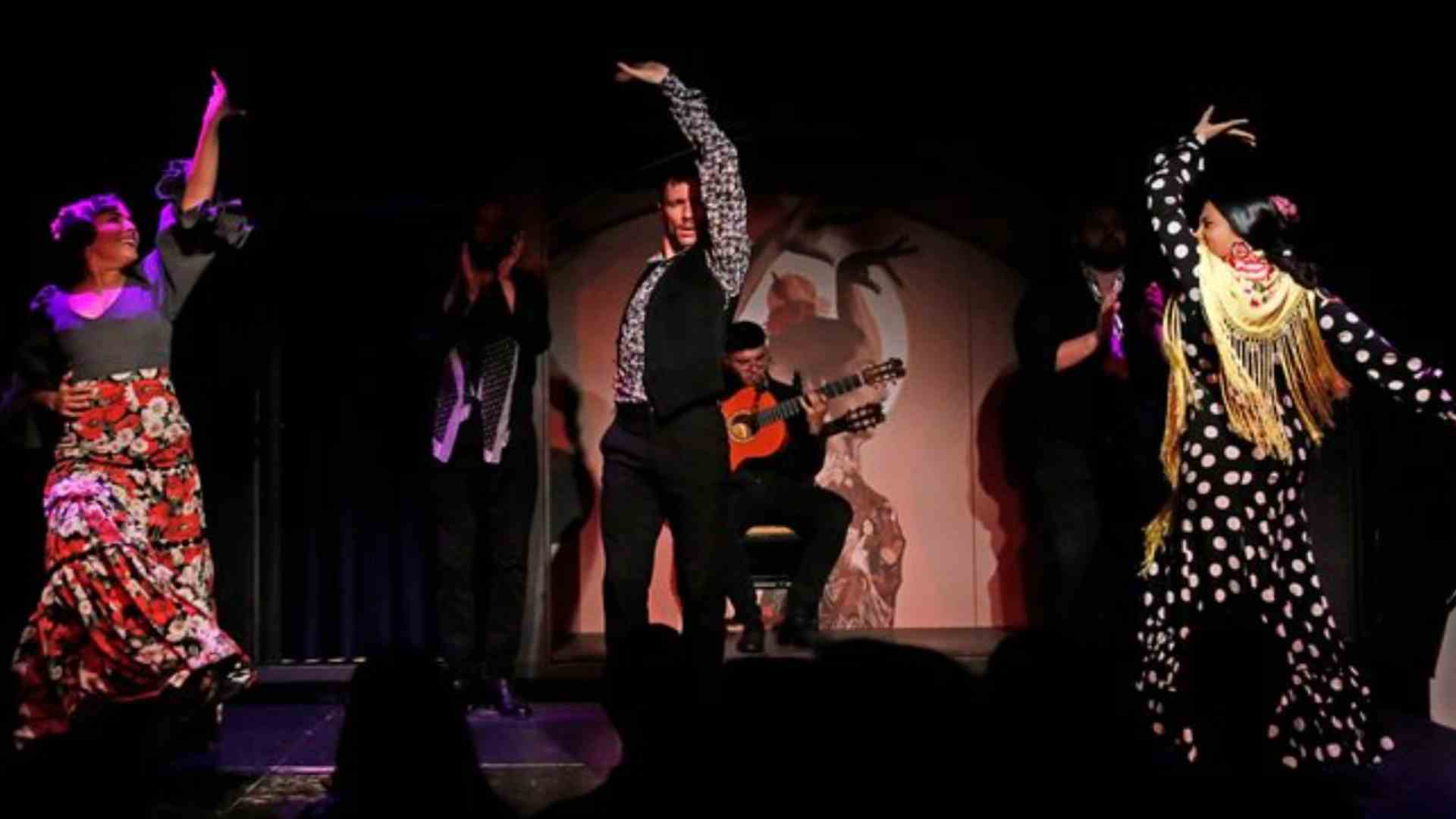
バルセロナを知る人に、街で完璧な夜を過ごす方法を尋ねれば、ほぼいつも同じ2つの言葉を聞くでしょう:タパスとフラメンコ。
それは決定的なスペインの夜遊びです。ベルムートやカバを片手に小皿料理を分かち合い、会話は夜まで続き、そしてラ・ランブラのエネルギーが高まるにつれて、その夜を何年も後まで語り継ぐようなフラメンコショーが繰り広げられます。
この組み合わせは非常に自然なので、多くの訪問者はパッケージになっていると考えがちです。しかし実際には、バルセロナで最高のタパスとフラメンコの夜は計画されたものであり、うまく計画するためには、2つの伝統が実際にどのように結びついているか、何を避けるべきか、そしてショーに合わせて夜の時間をどう配分するかを理解する必要があります。
このガイドでは、そのすべてを網羅しています。ペアリングの背景にある文化、ラ・ランブラ周辺での夜のステップバイステップの計画、そしてタパスとワールドクラスのフラメンコショーを組み合わせるさまざまな方法。両方が同じ屋根の下で行われるオプションも含まれています。
なぜタパスとフラメンコが一緒に属するのか
タパスは厳密には食べ物の種類ではありません。それは社交の 方法です。バルからバルへと移動し、小皿料理を分け合い、カウンターで飲み物を片手に立つ「タペオ」は、スペインの偉大な社交儀式の一つです。それはせかせかせず、共同的で、会話を中心に築かれています。
一方、フラメンコは正反対の激しさを持っています。ショーの間、誰も話しません。部屋全体が息をのむのです。
そのコントラストこそが、完璧な夜を作り出す理由です。タペオはあなたをリラックスさせ、社交的に、少しお祭り気分で温め、フラメンコショーは夜の感情的なクライマックスを提供します。
どちらの伝統もアンダルシアにルーツを持ち、大規模な商業施設よりも小規模で親密な空間で体験するのが最も良く、どちらも同じ本能に報いるものです。それは利便性よりも信憑性を選択することです。
計画に入る前に、一つの重要なアドバイスがあります。 2つの体験は分離してください。
バルセロナの一部の会場では、フラメンコ公演中に食事が提供され、ウェイターが部屋を横切り、カンテを通してカトラリーの音が響きます。フラメンコを大切にする人、そしてアーティスト自身にとって、これは最大の罪です。
当施設を含む市内の本格的な会場では、決してそのようなことはしません。まず、好きなだけ時間と会話を楽しんで食事をしてください。その後、ショーに全神経を集中してください。そうすることで、夜のどちらの半分もより良いものになるでしょう。
計画:ラ・ランブラでのタパスとフラメンコの夜
エル・ドゥエンデはラ・ランブラ33番地に位置し、市の中心部にあります。そのため、夜の出発点として理想的です。ショーは約55分間続き、ハイシーズンには夜に3回開催されます:19:00、20:15、21:30。この柔軟性があなたの味方です。ショーの前に、ショーの後に、あるいはその両方で、夜のタパス部分を組み立てることができます。地元の人々がどうするかをご紹介します。
ステップ1:ベルムートアワーから始める
17:30から19:00の間に、ラ・ランブラ周辺の通りで夜を始めましょう。片側にあるゴシック地区と反対側のエル・ラバル地区には、世紀のボデガからモダンなピンチョスバーまで、あらゆるスタイルのタパスバーが密集しており、ラ・ボケリア市場周辺はそれ自体がタパスの教育の場です。
この時間は ベルムート、バルセロナで愛されるアペリティフの儀式であり、完璧なウォーミングアップです。
絶対に外さないいくつかのおすすめ: パン・コン・トマテ (カタルーニャ地方の食卓の基本)、 パタタス・ブラバス (どのバルも独自のソースを持ち、地元の人々はそれについて endlessly 議論します)、 ハモン・イベリコ、 ギルダス (オリーブ、アンチョビ、ピーマンの塩辛い串刺し)、 クロケッタ、 ボケロネス 、そして市場の近くにいるなら、最も新鮮に見えるシーフードは何でも。一度にすべてではなく、順番に注文するのがポイントです。
ステップ2:エル・ドゥエンデでのショー
ショー開始の約10分前にエル・ドゥエンデに到着するようにタペオの時間を調整してください。そして、コントラストに任せましょう。ラ・ランブラの喧騒から、わずか120席の親密な部屋に足を踏み入れると、どの観客もステージから6メートル以上離れることはありません。
その後に続くのは、台本もセーフティネットもない55分間のライブフラメンコです。カンテ・ジョンド、名人芸のギター、そして床を通して足音が伝わってくるダンサーたち。
Cゾーンの27ユーロから最前列の49ユーロまで、すべてのチケットには飲み物(カバ、サングリア、ビール、ソフトドリンク)が含まれています。そのため、フラメンコをあるべき姿で観ることができます。グラスを片手に、ステージに目を向け、携帯電話はしまいましょう。
出演者は常に変わり、著名な人物とバルセロナシーンの最も輝かしい若手才能が入り混じり、エル・ドゥエンデでの夜は二度として同じものはありません。
ステップ3:ショーの後のカクテル、夜はまだ若い
ここがエル・ドゥエンデが古典的なディナーショーと異なる点です。ここはフラメンコの バーであり、ダンスが終わっても夜は終わりません。
フラメンコの世界にインスパイアされたメニューからカクテルを楽しみ、ショーのアドレナリンが落ち着いたら、夜をラ・ランブラで続けるかどうかを決めましょう。ラ・ランブラはその時間、まさに始まったばかりです。19:00のショーを観た場合は、クラシックな計画を逆転させることもできます。最初にフラメンコを楽しみ、その後でゆったりと長いタパスディナーを、スペイン人が実際に食事をするのと同じように…遅くに食べましょう。
タパスとフラメンコを一つの場所で楽しみたいですか?オプションがあります
エル・ドゥエンデ自体は、意図的に食事を提供していません。私たちはフラメンコバーです。ショーと飲み物が体験の核であり、妥協したバージョンを提供するよりも、バルセロナの素晴らしいタパスシーンをその源で楽しんでいただきたいと考えています。
しかし、すべてを一つの場所で済ませたい場合は、私たちの姉妹施設にまさにそれがあります。 タブラオ・フラメンコ・コルドベスは、1970年から続くバルセロナの歴史あるタブラオで、ラ・ランブラ35番地、文字通り数歩の距離にあります。16:30のショーでは、専用の タパス&フラメンコ 体験を提供しています。イベリコ豚の生ハム、地元のチーズ、オリーブ、付け合わせのメニュー、ドリンク1杯(ベルムート、カバ、ビール、ソフトドリンク)が含まれ、優先席が用意されており、ヴィーガンオプションも利用可能です。これは完璧な午後の形式です。タパスと本格的なタブラオショーを楽しみ、夜全体が自由に使えるほど早く終了します。
2つの会場の間で、選択はまさにあなたの夜の形にかかっています。
午後、オールインワン: タブラオ・コルドベスでのタパス&フラメンコ(16:30)、会場でタパスを提供し、ショーが含まれます。
夜、地元流: 旧市街でタペオ、その後エル・ドゥエンデで19:00、20:15、または21:30のショー、その後にカクテル。
どちらを選んでも間違いではありません。多くの訪問者が異なる夜に両方を体験します。これらは同じ芸術の、本当に異なる体験です。
フラメンコを計画する価値がある理由についての簡単な言葉
バルセロナでのタパス巡りは簡単です。夜のフラメンコの部分で、訪問者はたいてい間違いを犯し、マイクを使った大掛かりな演出、固定された振り付け、バスで乗りつけるツアーグループの会場にたどり着いてしまいます。
何を選ぶにしても、本物の特徴を探してください:親密な空間(500席ではなく100席程度)、名前を調べられるアーティスト、繰り返し同じショーではなく入れ替わるプログラム、そして食事も会話もパフォーマンスと競合しない会場です。
エル・ドゥエンデは、2025年世界最高のフラメンコ・タブラオと称されるタブラオ・コルドベスの家族によって、よりカジュアルなバー形式でその本格的な雰囲気を提供するために創設されました。
私たちの名前にある「ドゥエンデ」とは、フェデリコ・ガルシア・ロルカが素晴らしいフラメンコ・パフォーマンスを支配する、翻訳不可能な力、歌手が不可能と思える音を出し続けたときに背筋が凍るような感覚を表すのに使った言葉です。それが、どの開演時間を選んだとしても、毎晩の基準となります。
よくある質問
エル・ドゥエンデでは、ショー中にタパスや食事を提供していますか?
いいえ、エル・ドゥエンデはフラメンコバーであり、レストランではありません。すべてのチケットにはドリンクが1杯含まれており、プレミアムカクテルメニューもございますが、食事は提供していません。ショーと一緒に会場でタパスを楽しみたい場合は、姉妹会場であるタブラオ・フラメンコ・コルドベス(ランブラス通り35番地)で、16:30のショーのタパス&フラメンコ体験をお選びください。
エル・ドゥエンデのショーの前にタパスを食べられますか?
もちろんです、それが定番のプランです。ランブラス通り、ゴシック地区、ボケリア市場周辺には、徒歩数分圏内にタパスバーがたくさんあります。19:00、20:15、21:30(ハイシーズン)の開演時間に合わせて、ショーの前にゆっくりとタパスを楽しんだり、ショーの後に遅めのタパスディナーをしたりするのも簡単です。
バルセロナでのタパスとフラメンコの夜はいくらですか?
エル・ドゥエンデでのショーのチケットは、€27(ゾーンC)から€49(前方席)まであり、それぞれドリンクが1杯含まれています。タパス巡りの予算は別途ご用意ください。タブラオ・コルドベスのオールインワン「タパス&フラメンコ」には、タパスメニュー、ドリンク1杯、フルショーが1枚のチケットに含まれており、ご予約時に現在の料金をご確認ください。
フラメンコショーは何時間ですか?
エル・ドゥエンデのショーは、約55分間、情熱的で、無増幅で、毎晩内容が異なります。
事前予約は必要ですか?
はい、強くお勧めします。会場は120名様のみ収容可能で、特に週末やハイシーズンには夜のショーが頻繁に完売します。