
Flamenco Styles: How to Recognise the Main Palos at a Live Show in Barcelona
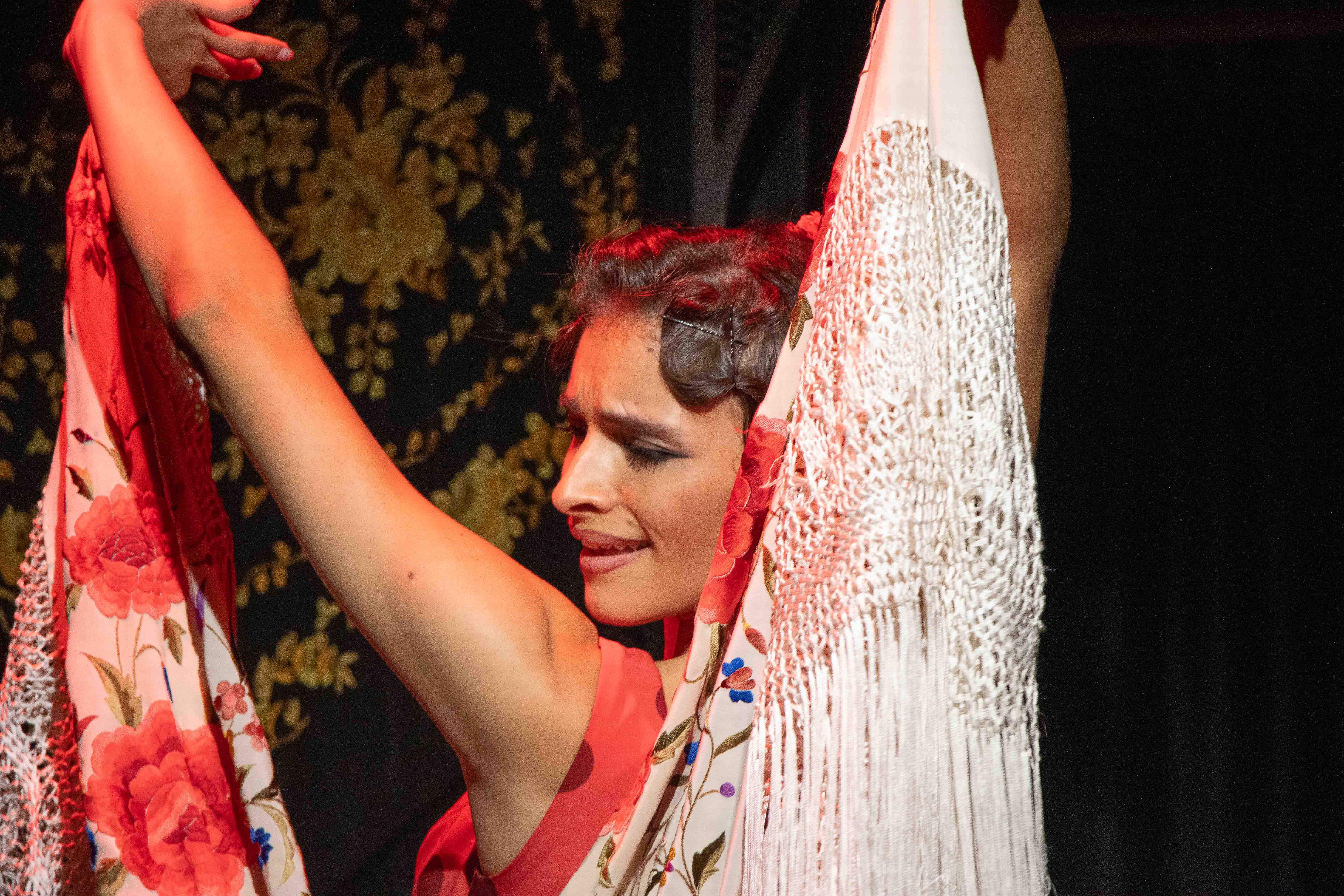
Flamenco is a living art form, rich in emotion, rhythm and tradition. When attending a flamenco show in Barcelona for the first time, understanding its different styles, known as palos, allows you to fully appreciate the performance. Each palo has its own rhythm, mood and way of expressing itself through singing, guitar and dance.
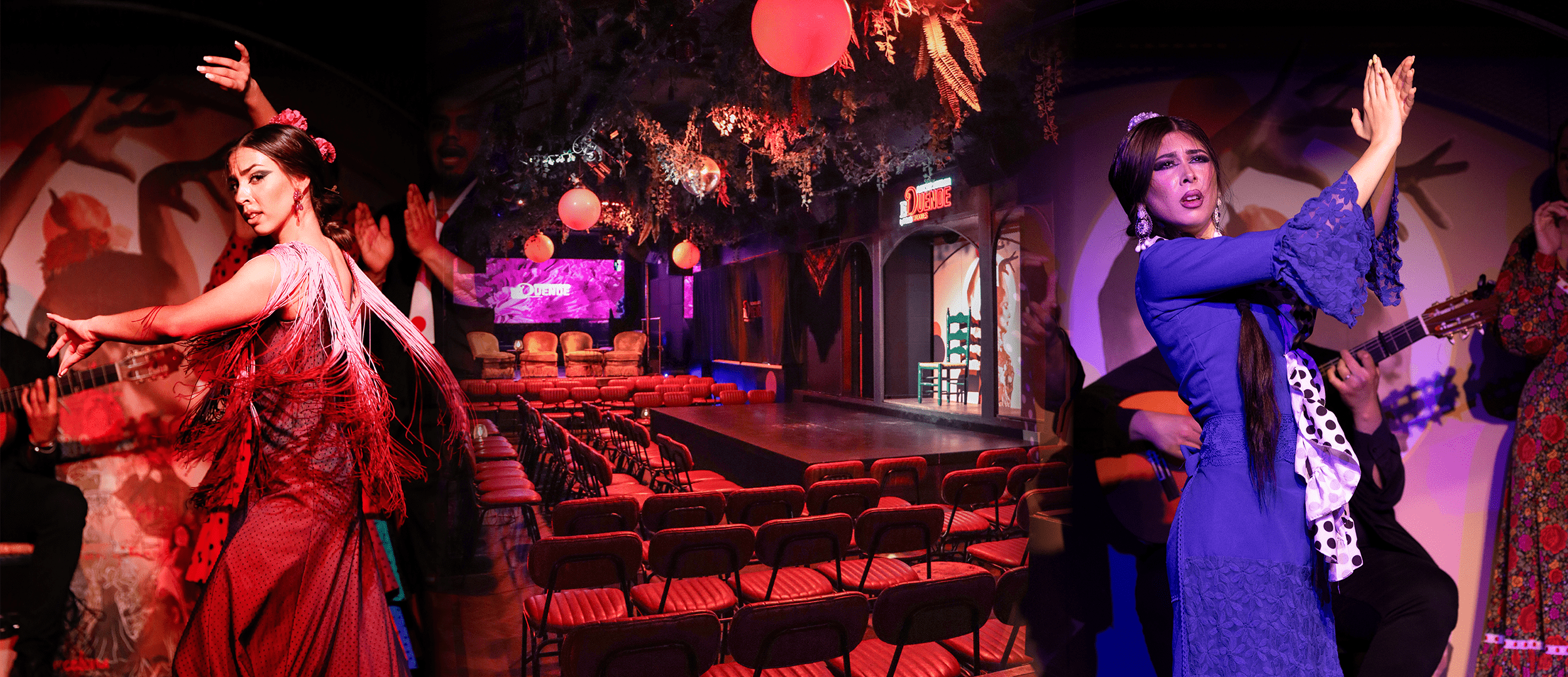
At El Duende by Tablao Cordobes, an intimate flamenco bar and live flamenco venue on La Rambla, these styles are experienced up close, in a 120-seat room designed to create a deep connection between artists and audience.
What Are Flamenco Palos?
Palos are the different musical forms of flamenco, and musicologists have catalogued more than fifty of them. Each palo is defined by:
Rhythm (compás)
Emotional character
Structure of the singing
Type of dance
Atmosphere created on stage
Some palos are intense and profound, belonging to the tradition of cante jondo or deep song, while others are joyful and energetic. Learning to recognise the main ones is the key to enjoying the best flamenco in Barcelona, because every show becomes a journey through several of these emotional worlds.
Main Flamenco Styles and How to Recognise Them
Soleá: The Foundation of Flamenco
Often considered the mother of all palos, the soleá carries the essence of deep song.
Character: deep, introspective and solemn
Rhythm: 12-beat cycle, slow and measured
How to recognise it: controlled movements, strong emotional expression and powerful footwork that builds slowly toward a climax
A common style in live flamenco shows in Barcelona focused on pure emotion, and the ultimate test of an artist's expressive maturity.
Bulerías: The Festive Finale
Born in Jerez de la Frontera, bulerías are among the most popular and dynamic flamenco styles.
Character: festive, lively and spontaneous
Rhythm: fast 12-beat cycle
How to recognise it: high energy, improvisation, humour and direct interaction between the artists
Frequently used to close a Barcelona flamenco show in the traditional fin de fiesta, when all the artists form a semicircle and take turns in brief solos, creating an electrifying atmosphere.
Alegrías: Joy from Cádiz
Bright, elegant and full of light, alegrías were born in the port city of Cádiz.
Character: cheerful and graceful
Rhythm: structured 12-beat cycle
How to recognise it: smiling expressions, open movements, references to the sea in the lyrics and the expressive use of the bata de cola or shawl
Perfect for those discovering flamenco for the first time.
Tangos Flamencos: The Irresistible Groove
Unrelated to the Argentine tango, flamenco tangos are among the most accessible palos for new audiences.
Character: earthy, sensual and playful
Rhythm: four-beat cycle that everyone feels immediately
How to recognise it: relaxed hip movement, call-and-response between singer and dancer, and an audience that cannot keep still
A crowd favourite at any tablao flamenco in Barcelona.
Fandangos: The Singer's Showcase
One of the most versatile flamenco styles, with dozens of regional variants.
Character: melodic and expressive
Rhythm: free or structured, depending on the variation
How to recognise it: strong focus on the singing, with elegant dance accompaniment and verses full of popular wisdom
A style that adds musical richness and lyrical depth to any flamenco performance.
Seguiriya: Deep Song at Its Most Intense
The most dramatic of all palos, reserved for moments of maximum expression.
Character: profound, tragic and powerful
Rhythm: complex 12-beat cycle with strong, uneven accents
How to recognise it: dramatic gestures, meaningful pauses, and a raw vocal delivery that can silence the entire room
An unforgettable experience for those seeking the most authentic flamenco.
How to Recognise Flamenco Styles Live
When attending a flamenco show in Barcelona, pay attention to:
The opening guitar: slow minor-mode introductions announce deep palos; bright major chords promise festive ones
The rhythm of the footwork: measured and building in a soleá, explosive and playful in bulerías
The intensity of the singing: from whispered laments to full-voice celebration
The body language of the dancer: contained tension signals deep song, open smiles signal alegrías or tangos
The interaction between artists: shouts of "olé" and rhythmic palmas are a living part of the performance
In intimate venues like El Duende, these details become clearer, because no seat is far from the stage and every nuance of voice, guitar and footwork reaches you directly.
Experience Every Flamenco Style at El Duende
Flamenco brings rhythm, emotion and tradition together live on stage, and the best way to learn the palos is to watch them unfold a few metres away.
At El Duende by Tablao Cordobes, La Rambla 33, our 55-minute shows run daily at 7:00 pm, 8:15 pm and 9:30 pm, performed by a rotating cast of six to seven artists that blends renowned figures with the emerging talents shaping the future of flamenco. Because both the artists and their repertoire change constantly, every night offers a different selection of palos: one evening may close with an explosive fin de fiesta por bulerías, another may stop time with a seguiriya.
Born from the legacy of Tablao Flamenco Cordobes, awarded Best Tablao in the World 2025, El Duende pairs its shows with a curated menu of signature cocktails inspired by the different styles of flamenco. Most seating zones include one drink, and the Frontal Zone guarantees first row seats.
Live flamenco in Barcelona, up close and authentic.
Flamenco... at El Duende.
Book your tickets for El Duende and discover the palos live on La Rambla.
Frequently Asked Questions About Flamenco Styles
How many flamenco styles are there?
Musicologists have catalogued more than fifty palos, with over a hundred variants. A live show typically features four to six different styles in a single performance.
Which flamenco style is best for beginners?
Alegrías and tangos are the most accessible: their rhythms are easy to feel and their mood is joyful. That said, many first-time visitors are most moved by the deep palos, like soleá and seguiriya.
Will I see all these styles in one show?
Each show presents a selection chosen by the artists, and the programme changes every night. Visiting more than once means discovering different palos, which is exactly why aficionados return to their favourite tablao again and again.
Do I need to know the palos to enjoy a flamenco show?
No prior knowledge is needed; flamenco communicates emotion directly. Recognising a few styles simply adds another layer of enjoyment, like knowing the plot of an opera before the curtain rises.