
The Best Flamenco Show in Barcelona: How to Choose Like an Insider
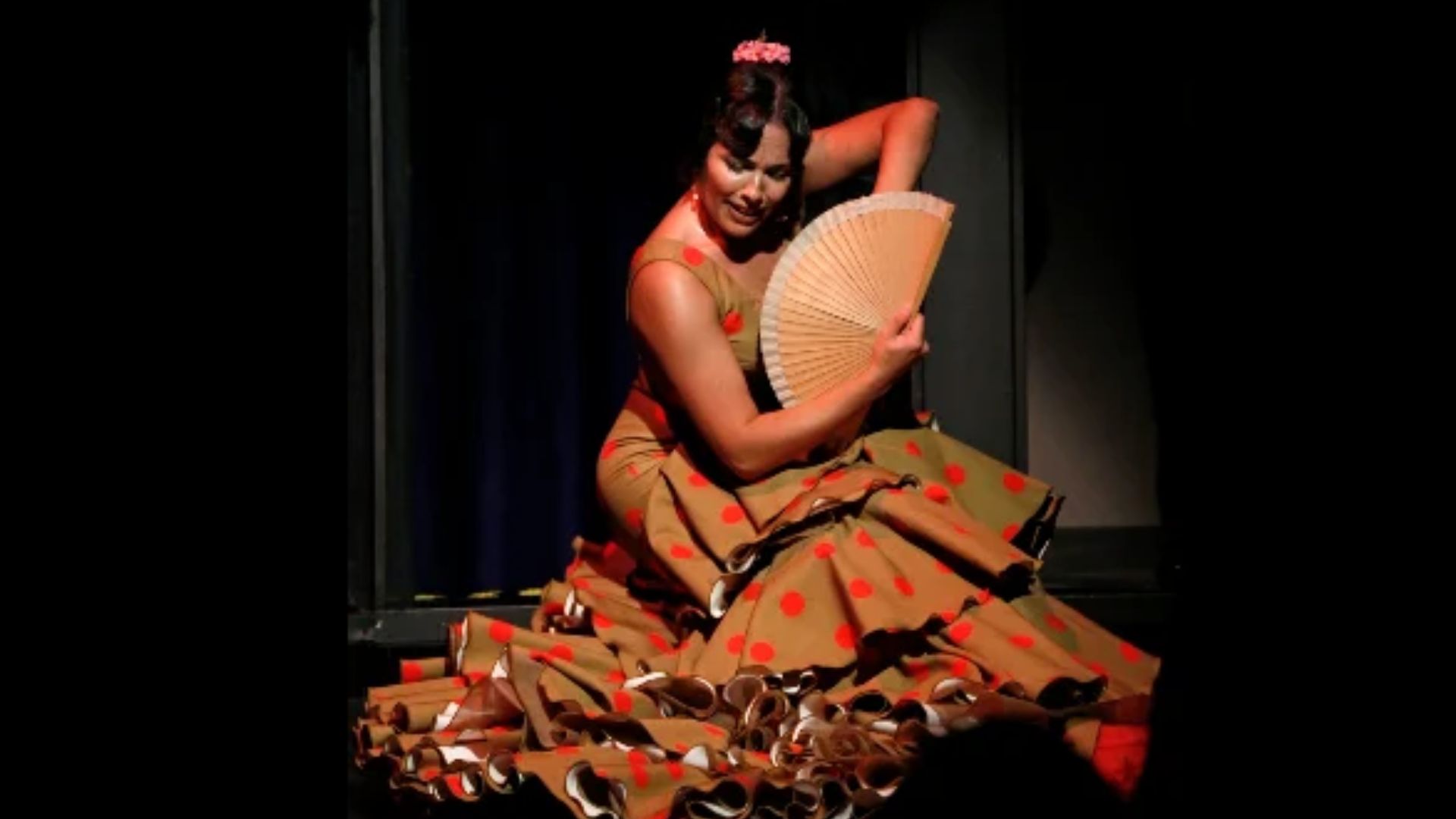
Search for the best flamenco show in Barcelona and you will drown in superlatives. Every venue in the city claims the title, every listing promises authenticity, and every review section glows. For a first-time visitor, the noise makes an honest choice nearly impossible.
This guide takes a different approach. Rather than handing you a ranking to accept on faith, it teaches you how connoisseurs actually judge a flamenco show: the six marks of greatness, the venue types and what each one offers, and enough understanding of the art itself to know what you are watching when the lights go down. By the end, you will be able to evaluate any show in the city with an insider's eye. We will also tell you, openly and with our reasons on the table, where our own venue fits in that picture.
First, Why Barcelona Is a True Flamenco City
A common myth says flamenco belongs only to Andalusia and that seeing it in Barcelona means settling for an import. History says otherwise. Waves of Andalusian migration in the 20th century made Barcelona one of the great flamenco capitals of the world. The beachside Somorrostro neighborhood gave the art one of its most towering geniuses, the dancer Carmen Amaya, born in Barcelona in 1913. The Paral·lel avenue pulsed with flamenco theaters for decades. And the city's tablaos became essential stops for every major artist of the modern era.
Tablao Flamenco Cordobes, opened on La Rambla in 1970, sits at the heart of that story. Legends like Camarón de la Isla and Lola Flores performed on its stage, and for over half a century it has functioned as both guardian and laboratory of the art in Catalonia. When you evaluate flamenco in Barcelona, you are choosing within a city that has earned its place in the history of this art form.
The Six Marks of a Great Flamenco Show
Aficionados disagree about many things, loudly and with great pleasure. On what separates a great show from a mediocre one, however, the consensus is remarkably stable. Six criteria come up again and again.
1. Everything live, always
The foundation. Flamenco's power comes from musicians and dancers creating in the moment, reacting to each other in real time. Recorded music removes the conversation and leaves only the costume. Before booking anywhere, confirm that the cante (singing) and toque (guitar) are performed live at every function. The best venues consider this so obvious they barely advertise it; the weakest bury the detail.
2. A full company on stage
Flamenco is a collective art. A complete show needs singers, one or more guitarists, and dancers sharing the stage, plus the palmas (rhythmic handclapping) and jaleo (shouts of encouragement) that the artists give each other throughout. Watch the performers who are seated during someone else's number: in a great company they work constantly, clapping, marking rhythm, feeding energy to the soloist. A show built around a single dancer with minimal accompaniment can be pleasant, and it will never reach the full dimension of the art.
3. Intimacy
Flamenco was born in family courtyards, taverns and small cafés, performed for people close enough to touch. Proximity carries information: the tension in a singer's throat, the half-second of eye contact before a dancer explodes into footwork, the sweat, the breath, the strain. These details carry the emotion, and they vanish with distance. As a rule of thumb, under 200 seats preserves the experience; under 150 concentrates it. This is the single most common regret among visitors who chose a large-format show: beautiful production, and the feeling of watching flamenco through glass.
4. Artist pedigree and rotation
Great shows draw from the professional flamenco circuit, where artists trained in the tradition (often from flamenco families, often since childhood) tour between the serious tablaos of Spain. Two signals help you check this. First, heritage: venues with decades of history and famous alumni attract stronger performers, because artists seek prestigious stages the way chefs seek respected kitchens. Second, rotation: top tablaos change their lineup regularly, keeping the shows fresh and giving audiences a reason to return. If a venue proudly names its artists and updates its program, that transparency speaks well of it.
5. An emotional arc
Flamenco organizes itself into palos, traditional song forms each with its own rhythm and emotional world. The soleá carries solemn depth. The seguiriya approaches grief. The alegrías radiates light, and the bulerías closes the night with pure celebratory fire. A masterful show sequences its palos deliberately, taking the audience on a journey from intensity to release. If you leave a show feeling that you traveled somewhere emotionally, the program was built by people who understand the art from the inside.
6. Duende
The intangible. Duende is the word flamenco uses for the moment when technique dissolves and something rawer takes over: the shiver down your spine, the silence in the room that feels alive, the note held past all reason. The poet Federico García Lorca described duende as a force that cannot be learned, only lived. No venue can guarantee it on any given night, and yet duende visits some rooms far more often than others. It favors intimacy, live music, artists who trust each other, and audiences that lean in. In other words, it favors every criterion above. The first five marks are, in the end, an invitation for the sixth to appear.
How to Understand What You're Watching
Knowing a little about flamenco's inner workings transforms the experience from impressive to unforgettable. You need no expertise, just a few keys.
Listen for the compás. Every palo runs on a rhythmic cycle called compás, often twelve beats with accents in surprising places. You will feel it before you count it. The palmas and the dancer's feet mark it constantly; once your body locks onto the cycle, the whole performance snaps into focus.
Watch the conversations. Flamenco is improvised within structure. The singer stretches a phrase and the guitarist answers. The dancer demands more speed with a look, and the musicians deliver. The most electric moments of any show happen in these exchanges, so watch the eyes as much as the feet.
Notice the remate. Sections of dance and song end with a remate, an emphatic close, like a sentence ending in an exclamation mark. The audience often erupts right there. When you feel a passage gathering toward its finish, you are learning to hear the language.
Value the silence. Great flamenco breathes. The pauses between explosions carry as much tension as the explosions themselves. A show that never stops hammering is shouting; a show that knows when to whisper is speaking.
Join the jaleo, gently. Those shouts of "¡olé!", "¡arsa!" and "¡eso es!" flying around the room belong to the tradition, and a heartfelt olé from a guest, landed in a natural pause, will always be welcome. Follow the room's lead and add your voice when the moment moves you.
Know Your Venue Types
Barcelona offers flamenco in several formats, each with its own logic. The best choice depends on what you want from the night.
The tablao
The classic home of professional flamenco: an intimate venue with nightly shows, drinks served, and the audience close to a resonant wooden stage. Tablaos descend directly from the cafés cantantes of the 1800s and remain the format where the art feels most like itself. For most visitors seeking the definitive experience, the tablao is the answer.
The theater show
Larger productions in conventional theaters, sometimes with named stars, lighting design and choreographed ensembles. These can be spectacular, and they trade intimacy for scale. Choose this format if production values excite you more than proximity.
The dinner show
A full meal served with the performance. Convenient for special occasions, and be aware of two trade-offs: the price multiplies, and dining logistics (serving, cutlery, conversation) compete with the stage for attention. An alternative worth considering: eat wonderfully elsewhere in the old town, then attend a drinks-format show with full focus.
The flamenco bar
A newer format that recovers something old: flamenco as it lived in taverns, with a drink in hand and the performance at arm's length. Done seriously, with professional artists and live music, it may be the most atmospheric format of all. Done casually, quality varies. Apply the six marks and you will know which is which.
A Practical Checklist Before You Book
Bringing it all together, here is what to verify on any venue's website or listing before paying:
Live music at every show, confirmed explicitly. A full company of singers, dancers and guitarists. Venue capacity, ideally under 150-200 seats. Heritage and history you can trace, with real names and dates. Recent reviews (from the last few months) that describe emotion and connection, since a 4.8 built on reviews from years ago tells you about a different show than the one performing tonight. Clear program information: duration, zones, what each ticket includes. And direct booking on the venue's own site, which usually secures the best price and conditions.
Any show in Barcelona that passes this checklist will treat your evening seriously. Several venues in the city do, and flamenco rewards every one of them with full rooms.
Where El Duende Fits
Now our cards on the table. El Duende by Tablao Cordobes is the flamenco bar created by the family behind Tablao Flamenco Cordobes, and it was designed, criterion by criterion, around the six marks above.
Every performance features a full professional company, completely live, on the circuit that connects the serious tablaos of Spain, with artists backed by the Cordobes legacy that began in 1970 and once welcomed Camarón and Lola Flores.
The room holds 120 people at maximum, close enough that the zapateado travels through the floor and into your chest. The program runs 50 to 55 minutes, sequenced as a true emotional journey through the palos, and it changes as artists rotate through. Drinks and signature cocktails replace dinner service, keeping every eye on the stage. And the address, La Rambla 33, puts the whole experience in the exact heart of the city.
Whether that makes El Duende the best flamenco show in Barcelona is a verdict that belongs to you, and we would rather earn it than claim it. What we can say is this: with 4.9 stars across hundreds of traveler reviews, guests who arrive as skeptics keep leaving as aficionados. We built the room for duende, and duende has been generous with us.
Frequently Asked Questions
What night of the week is best for flamenco in Barcelona?
Quality stays constant at serious venues, since professional companies perform their full show nightly. Weeknights offer better seat selection; weekends bring fuller, louder rooms, which some guests love.
Where are the best seats at a tablao?
Front and center delivers maximum impact, and in a venue under 150 seats every location keeps you close. If budget matters, remember that accessible zones at an intimate tablao beat premium seats at a large hall.
Is flamenco in Barcelona as good as in Seville?
The professional circuit is national: the same elite artists perform in both cities. Seville offers more venues; Barcelona's top tablaos match its best. Judge the venue, and the city takes care of itself.
How far in advance should I book?
For intimate venues in high season, several days to a week. Front zones and weekend shows disappear first.
Can I take photos during the show?
Policies vary; many venues allow brief photos at designated moments. Wherever you go, the artists deserve your eyes more than your screen. The best souvenir of a flamenco show has always been the shiver.
The Only Test That Matters
Criteria, checklists and history will take you to the door of a great flamenco show. What happens inside answers to older laws. At some point during the night, if you chose well, the room will contract around a single voice, a guitar will say something words never could, and a dancer's heels will find the exact rhythm of your pulse. Every guide ends there, because language does.
We would love for that moment to happen at our house. El Duende by Tablao Cordobes performs every night at La Rambla 33, in the heart of Barcelona, with tickets from €25 and a half-century of flamenco history behind every show. Book your seat, order something cold, and come find out what the fuss has been about for two hundred years. The duende is expecting you.