
Types of Flamenco Singing and How to Recognise the Palos
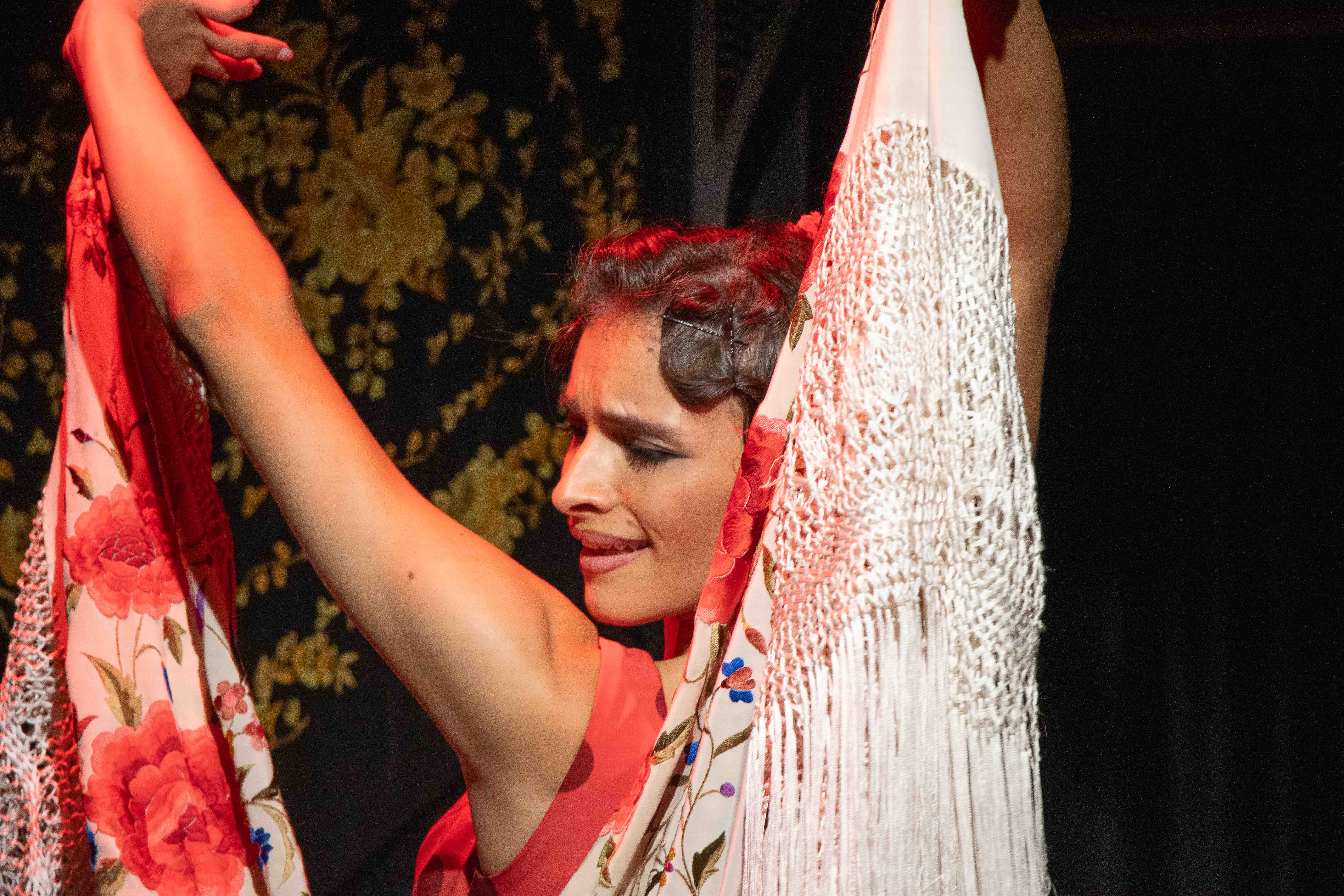
In flamenco singing, each palo has its own way of expressing emotion, from the deepest sorrow to the most exuberant joy.
This guide introduces the main styles of flamenco singing, helping you recognise the different palos and understand the emotions they convey.
Understanding the Flamenco Palo
In flamenco, a palo is more than just a song or a rhythm. It is a musical form with its own conventions: a rhythmic cycle, characteristic melodies, a structure, an expressive character and, in many cases, roots in a particular place.
That is why two pieces can both sound unmistakably flamenco yet belong to very different worlds.
Some palos follow a four-beat pattern, such as tangos; others use a twelve-beat cycle, such as soleá, alegrías and bulerías. Then there are free-form styles, in which the singer stretches or tightens a phrase without following a fixed pulse.
The Three Main Types of Flamenco Singing
The traditional classification divides flamenco singing into cante jondo or grande, cante intermedio and cante chico.
This is a useful starting point, as long as we do not treat the categories as rigid boundaries. Some palos change character depending on the performance, and some artists can find emotional depth where you might expect nothing but celebration.
The Emotional Intensity of Cante Jondo or Cante Grande
Cante jondo encompasses the most emotionally intense forms of flamenco singing. Its themes include sorrow, death, absence, abandonment, fate and love experienced as a wound.
This does not mean it is always “sad”. It calls for depth, daring and a way of singing that leaves nowhere to hide.
The essential examples are soleá, seguiriya, tonás and martinetes.
Soleá unfolds with slow-burning tension over a twelve-beat cycle. Seguiriya is more abrupt and anguished, with a pulse that seems to fracture before finding its way back.
Cante Intermedio and Its Broader Range
Cante intermedio brings together forms that sit somewhere between the solemnity of cante jondo and the festive spirit of cante chico.
These styles often retain considerable emotional weight, while their melodies or origins place them closer to Andalusian folk music.
Fandangos play a central role here. Their lyrics are usually based on five-line stanzas of eight syllables per line, and singers have considerable freedom to shape the phrasing.
A fandango can feel intimate, solemn or radiant, depending on who is singing it.
This category also often includes malagueñas, granaínas and medias granaínas, all known for their free rhythm and rich melodies.
Cante Chico and the Spirit of Celebration
Cante chico brings together the more festive, rhythmic and danceable palos. But do not let the name fool you: chico, meaning “small”, does not mean less important or easier to perform.
Bulerías are fast, playful and fiendishly complex in their rhythms.
This family also includes alegrías, tangos, cantiñas and, in a more popular vein, rumbas.
Alegrías capture the sparkle of Cádiz and share soleá’s twelve-beat cycle, although their pace and mood are quite different.
Tangos, with their four-beat rhythm, are earthy, direct and particularly welcoming to anyone discovering flamenco for the first time.
Tientos share the same rhythmic foundation, but slow the pace and fill the atmosphere with expressive intensity.
Essential Palos to Start Recognising
You do not need to memorise fifty names.
Start with these:
Soleá and Seguiriya as Two Paths to Emotional Depth
Soleá takes its time, stretches out the silences and turns a short verse into a complete emotional experience.
Seguiriya makes an uncompromising entrance. Its themes often centre on loss and anguish, while its rhythmic cycle heightens the sense of heartbreak.
Bulerías as a Conversation at Full Speed
Bulerías originated in Jerez and often bring a flamenco gathering to a rousing close.
Short verses, rhythmic handclaps, shouts of encouragement and spontaneous responses make this the palo that best shows how flamenco depends on listening to one another, rather than simply taking turns.
Fandangos and Cantes de Levante Where the Voice Leads
In a free-form fandango, a malagueña or a taranta, the guitar follows the singer and breathes with them.
Listen to the melody, the melismas — several notes sung on a single syllable — and the silences.
These styles are perfect for discovering just how much of a story a single voice can tell in four or five lines.
Other Families That Broaden the Picture
The cantes de ida y vuelta, or “round-trip songs”, include guajiras, colombianas, milongas and rumbas. They reflect the musical exchange between Andalusia and the Americas.
There are also work songs and styles associated with particular traditions: martinetes evoke the forge, trilleras the fields, while saetas are heard during Holy Week.
Their roots lie in everyday life, which left its mark on the voice long before these songs reached the stage.
How to Find Your Way Around Flamenco Singing
First, identify the pulse. Is there a steady four-beat or twelve-beat rhythm, or does the voice seem to move freely?
Then listen to the atmosphere and the interplay between the performers. A pause in the guitar, a cry of “olé” or the arrival of rhythmic handclaps can completely change the moment.
With soleá, seguiriya, alegrías, tangos and bulerías as reference points, your ear will begin to pick out families of styles and their finer nuances.
To explore these styles further and discover some of their leading performers, read our guide to flamenco singing and its greatest voices.
El Duende and the Sound of Flamenco in Barcelona
Reading about the palos helps, but flamenco truly makes sense when it unfolds right in front of you.
At El Duende by Tablao Cordobes, right on Barcelona’s La Rambla, the intimate setting brings artists and audiences close together, allowing you to hear flamenco singing in its purest form.
Ready to experience live flamenco?
Book your tickets for El Duende by Tablao Cordobes and let the singing, dancing and guitar sweep you into an unforgettable evening.