
Flamenco Songs Explained: A Guide to Cante, Palos and Where to Hear Them Live in Barcelona
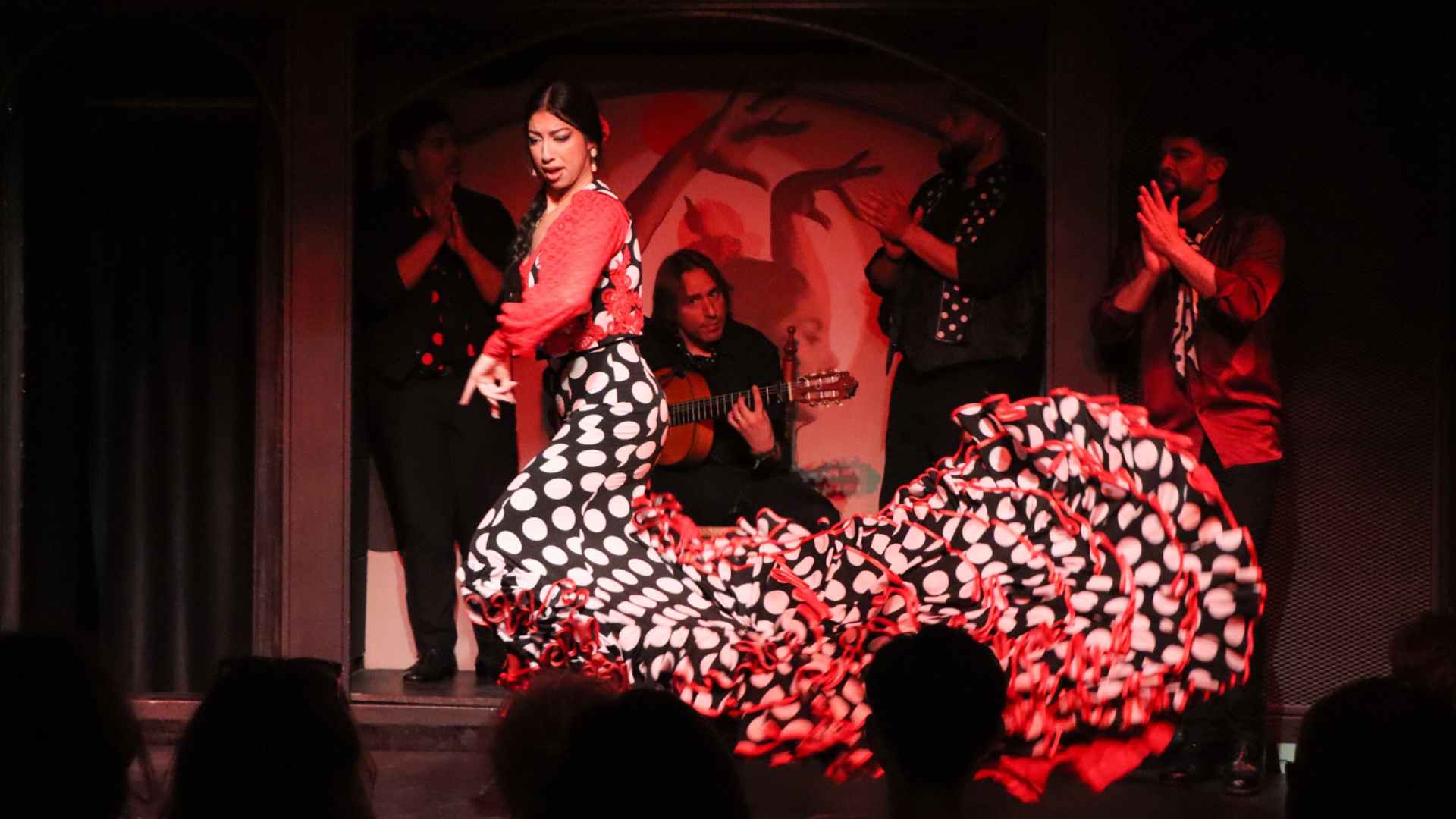
Ask most people what defines flamenco and they will mention the dancing: the swirling dresses, the percussive footwork, the dramatic poses. Yet within the art form itself, singing holds the place of honor.
Flamenco was born as a vocal tradition, and to this day aficionados insist that everything else, the guitar, the dance, the palmas, exists to serve the song. Understanding flamenco songs is the key that unlocks the entire art form.
In this guide we explore what cante flamenco really means, how the different song forms known as palos work, which legendary voices shaped the tradition, and how you can experience authentic flamenco singing live at an intimate venue in the heart of Barcelona.
What Is Cante Flamenco?
In flamenco, the word for singing is cante, and the singer is called a cantaor (male) or cantaora (female).
The distinction from the ordinary Spanish word canto matters to aficionados, because cante refers to a very specific way of singing: raw, ornamented, deeply expressive and governed by strict rhythmic and melodic codes passed down through generations.
Cante flamenco emerged in Andalusia, in southern Spain, roughly between the late 18th and mid 19th centuries. It grew from an extraordinary cultural crossroads where Gitano (Spanish Romani) communities, Andalusian folk traditions, Arab and Sephardic musical memory, and Latin American influences all met and blended.
The result was a form of song unlike anything else in Europe: microtonal ornaments, hoarse and expressive vocal timbres, and lyrics that compress enormous emotion into just a few verses.
A traditional classification divides flamenco songs into three broad families:
Cante jondo (deep song): the oldest and most profound forms, dealing with grief, death, love and fate. Styles like the soleá, siguiriya and martinete belong here.
Cante intermedio (intermediate song): forms of moderate emotional weight, often influenced by Andalusian folklore, such as many fandangos.
Cante chico (light song): festive, playful forms full of rhythm and joy, including bulerías, alegrías and tangos flamencos.
The poet Federico García Lorca, together with composer Manuel de Falla, famously championed cante jondo in the 1920s, organizing a landmark competition in Granada in 1922 to protect what they considered one of Europe's oldest and most valuable musical treasures.
Understanding Palos: The Song Forms of Flamenco
The single most useful concept for any flamenco newcomer is the palo. A palo is a song form or style, defined by its rhythmic cycle (called compás), its characteristic melodies, its mood and often its geographic origin.
Musicologists count more than fifty palos, though a smaller core appears most frequently on stage. Here are the essential ones to know.
Soleá: The Mother of Cante
Often called the backbone of flamenco, the soleá unfolds over a twelve beat compás with accents that take newcomers time to feel. Its name derives from soledad, meaning solitude, and its lyrics speak of sorrow, dignity and resilience.
A great soleá performance moves slowly, building tension phrase by phrase until the emotion becomes almost unbearable.
Siguiriya: Deep Song at Its Darkest
If the soleá is sorrowful, the siguiriya is devastating. This is cante jondo at its most intense, a lament about death, loss and anguish delivered over a hypnotic, uneven rhythm.
Singers reserve the siguiriya for moments of maximum expression, and audiences often describe the experience as chilling in the best possible sense.
Alegrías: Joy from Cádiz
The name literally means "joys," and this palo from the port city of Cádiz delivers exactly that. Bright, elegant and danceable, alegrías share the twelve beat compás of the soleá but flip the mood entirely, with lyrics celebrating the sea, love and the charm of Cádiz itself.
Bulerías: The Fireworks of Flamenco
Fast, playful and fiendishly difficult, the bulería closes many flamenco performances in a burst of energy. Born in Jerez de la Frontera, it thrives on improvisation: singers trade short verses, dancers jump in for brief solos, and the whole company drives the rhythm with palmas and shouts of encouragement known as jaleo.
When artists gather in a semicircle and take turns at the end of a show, the fin de fiesta, you are watching bulerías.
Tangos Flamencos: Irresistible Groove
Unrelated to Argentine tango, flamenco tangos ride a four beat rhythm that everyone in the room feels immediately. Earthy and sensual, they are among the most accessible palos for first time listeners and a favorite vehicle for both singers and dancers.
Fandangos: The People's Song
Fandangos exist in countless local varieties, from the free flowing fandangos naturales to the folkloric fandangos de Huelva. Their verses often carry proverbs, declarations of love or philosophical reflections, making them a treasury of Andalusian popular wisdom.
Seguiriyas' Cousins and Beyond
Beyond these pillars lie dozens of other forms: the mining songs (cantes de las minas) like the taranta and minera, born in the mining regions of eastern Andalusia and Murcia; the cantiñas family around Cádiz; solemn unaccompanied forms like the martinete, traditionally sung to the rhythm of a blacksmith's hammer; and the saeta, a devotional song delivered from balconies during Holy Week processions.
Legendary Voices Every Flamenco Lover Should Know
Flamenco singing lives through its interpreters, and a handful of names tower over the tradition.
Camarón de la Isla remains the most influential flamenco singer of modern times. His revolutionary 1979 album La Leyenda del Tiempo opened flamenco to new harmonies and instruments, and his voice, torn and luminous at once, still defines the sound of cante for millions. Early in his career, Camarón performed at Tablao Flamenco Cordobes in Barcelona, a stage that has hosted flamenco royalty since 1970.
Antonio Mairena dedicated his life to preserving and cataloguing the oldest Gitano song forms, becoming the great scholar-singer of the 20th century.
La Niña de los Peines, born Pastora Pavón, was declared a Cultural Heritage treasure of Andalusia. Lorca himself wrote admiringly of her power, and her recordings from the early 20th century remain essential listening.
Manolo Caracol, Fosforito, Enrique Morente and José Mercé each expanded the art in their own way, from orthodox mastery to bold experimentation, while contemporary stars like Miguel Poveda, another artist with deep ties to Barcelona and the Cordobes stage, and Estrella Morente carry the cante into the present day.
How Flamenco Songs Work in Performance
A flamenco song in live performance follows a logic all its own. The guitarist opens with a falseta, a melodic introduction that sets the palo and the tone. The singer then warms the voice with a temple, a wordless vocalization on syllables like "ay," before entering the verses, called letras.
Each letra is a compact poem, often just three to five lines, and singers combine traditional verses in the moment rather than performing fixed songs from start to finish.
This explains something that surprises many visitors: flamenco artists rarely rehearse a show as a fixed script. The singer chooses letras according to the mood of the night, the guitarist responds in real time, and the dancer interprets what the voice delivers.
Communication happens through the compás, through glances and through shouted encouragement. That improvisational spark is exactly what aficionados call duende, the mysterious current of emotion that Lorca described as rising through the soles of the feet.
For the listener, this means every performance is genuinely unrepeatable. The same singer performing the same palo on two different nights will produce two different experiences. Live attendance in an intimate setting becomes essential, because the subtleties of the voice, the microtones, the rasp, the held breath before a climactic line, simply do not survive translation to a phone screen.
Where to Hear Authentic Flamenco Songs in Barcelona
Barcelona holds a distinguished place in flamenco history. Waves of Andalusian migration brought the art north during the 20th century, the city gave the world Carmen Amaya, and its tablaos have hosted virtually every major figure of the genre.
Today, one of the best places to experience cante up close is El Duende by Tablao Cordobes, at La Rambla 33 in the heart of the city. El Duende continues the legacy of the legendary Tablao Flamenco Cordobes, a Barcelona landmark since 1970 whose stage welcomed icons like Camarón de la Isla and which was recognized as the Best Tablao in the World 2025.
The venue is an intimate flamenco bar with just 120 seats, which means the singer's voice reaches you up close, with every microtone, rasp and held breath intact.
Shows run daily at 7:00 pm, 8:15 pm and 9:30 pm, last around 50 to 55 minutes, and feature six to seven artists whose lineup rotates throughout the month, so the repertoire of palos changes constantly. You might catch a spine tingling soleá one night and an explosive festival of bulerías the next.
Most seating zones include one drink during the show, such as wine, beer, sangria, cava or a soft drink, and the Frontal Zone guarantees first row seats just steps from the artists.
Every guest can also explore a curated menu of signature cocktails inspired by the different styles of flamenco, available for purchase at the bar in a relaxed flamenco bar atmosphere.
Final Thoughts: Listen First, and the Rest Will Follow
Dance may catch the eye, but the song carries the soul of flamenco. Once you learn to hear the difference between a soleá and an alegría, to feel the twelve beat compás pulsing under the surface, and to catch the moment when a singer abandons technique and simply bleeds emotion, flamenco becomes a personal encounter you carry home with you.
The best classroom is a dimly lit tablao, a glass of wine in hand, a few meters from a voice that carries two centuries of Andalusian memory. Barcelona offers that experience every single night.
Ready to hear cante flamenco live? Book your tickets for El Duende by Tablao Cordobes at La Rambla 33 and let the songs speak for themselves.