
Soleá: what it is, how it feels and why it is the heart of flamenco
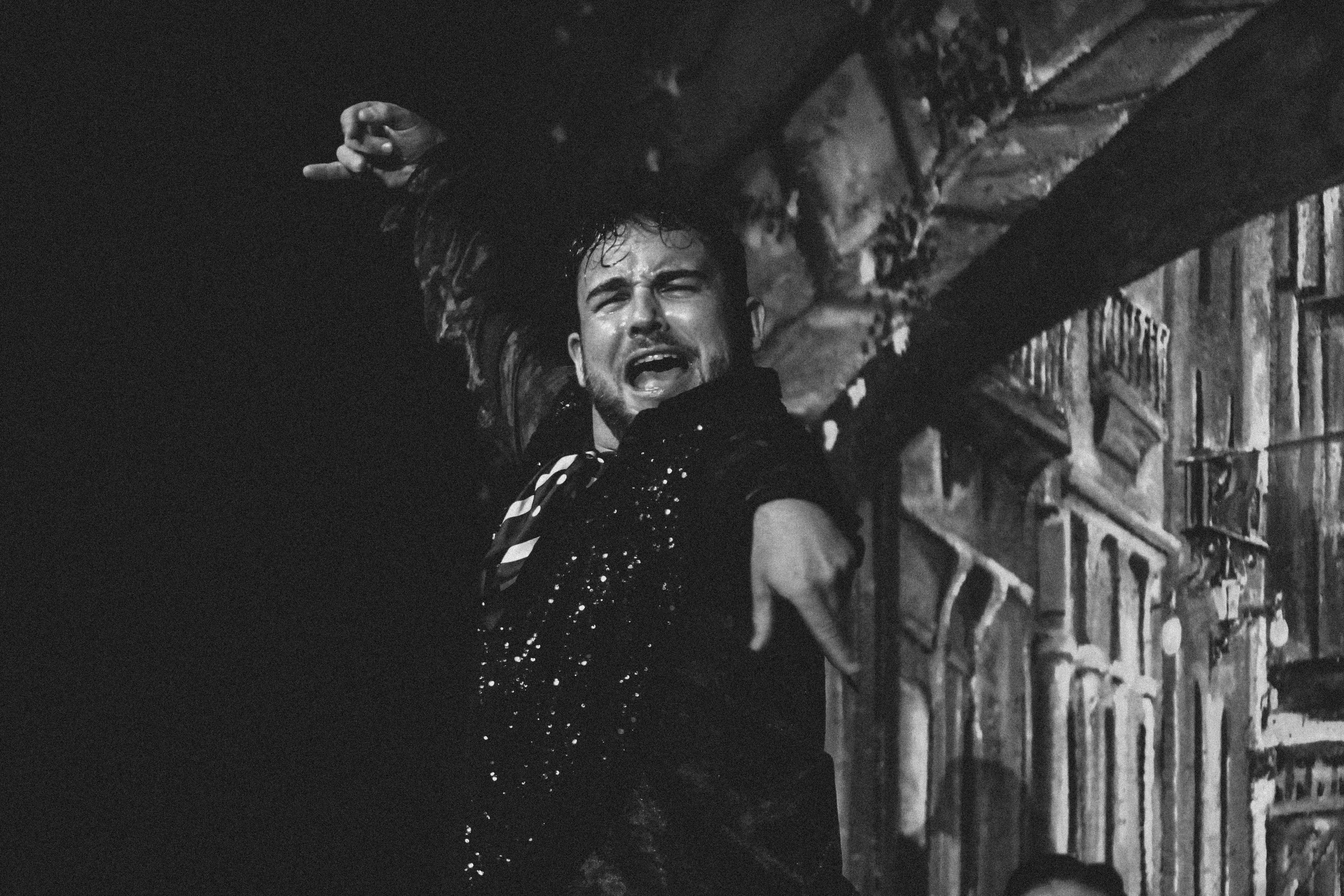
Soleá brings together rhythm, singing, dance and an emotional intensity that helps explain why flamenco still moves us.
If you want to understand soleá, recognise its rhythmic cycle and discover why it holds such a central place in flamenco, this guide will help you hear it in a new way.
What is soleá in flamenco?
Soleá is one of flamenco’s great styles, or palos. In this art form, a palo is more than a song: it is a form with its own rhythmic cycle, character, melodies and ways of singing, playing and dancing.
You can recognise soleá by its gravity, its unhurried cadence and a sense of contained tension that may break into a plaintive cry or find release in a closing guitar phrase.
There is no single soleá. Cádiz and the nearby port towns, Jerez, Triana, Utrera, Alcalá and Córdoba have all left their mark on its melodies and vocal expression. That variety is why there is always more to discover.
Its name seems to come from soledad, the Spanish word for solitude, but to describe it simply as sad would miss much of its meaning.
Soleá has room for heartbreak, sorrow, memory, pride, reflection and the determination to carry on.
It is a deeply expressive form of singing, certainly, but never one-dimensional. The emotion is not explained: it is allowed to settle into the rhythm.
Where soleá comes from: a style that grew alongside dance
Soleá as we know it today is the result of a long evolution. According to the Andalusian Institute of Flamenco, it appears to have developed from songs used to accompany dancing from the early 19th century, linked to jaleos and gelianas.
Over time, individual artists developed personal styles, while different flamenco communities gave it their own distinctive accents.
Knowing these origins changes the way you watch a performance. The movement of the arms, the turns of the waist, the weight of a pause and the footwork all engage with a structure born in close connection with the body.
Soleares also tend to use verses of three or four eight-syllable lines: brief poems that get straight to the point and, in live performance, come alive through the singer’s breathing, the guitar’s response and the shared pulse.
The rhythm of soleá: twelve beats that feel nothing like a countdown
The best way into soleá is through its compás, or rhythmic cycle. It has twelve beats and is usually written like this:
1 2 3 - 4 5 6 - 7 8 - 9 10 - 11 12
Soleá belongs to the same rhythmic family as alegrías and bulerías, yet its character is radically different.
Alegrías are bright; bulerías gather speed.
Soleá leaves more space between the beats, as though each silence had something to say.
How to recognise soleá in a live performance
You do not need to be a flamenco enthusiast to start recognising it.
Listen and look out for these clues:
An unhurried tempo that never stands still
Soleá takes its time. It lets the singing stretch out, the guitar set the scene and the dance build tension.
But unhurried does not mean flat: beneath it all is a steady pulse, always present.
A voice in conversation with the guitar
In a good performance, the singer is more than simply “accompanied”. The guitar offers ideas, waits, answers and brings phrases to a close.
Sometimes a falseta, a melodic guitar passage, creates a new atmosphere; at other times, a silence gives the next vocal phrase even greater weight.
Dance with presence and contrast
Dancing soleá means moving between elegance and force.
There may be slow, carefully shaped arm movements, a lingering gaze, a sharp rhythmic call from the feet and an escobilla, a footwork passage that makes the rhythm visible.
Its power comes from intention, not speed.
An ending you can feel across the room
When the closing flourish arrives, even listeners who cannot count twelve beats can sense that everything has fallen into place.
The guitarist brings the phrase home, the dancer resolves the movement, and handclaps or calls of encouragement ring out.
It is one of those moments when flamenco becomes a living conversation: everyone knows where they are without needing to explain.
Soleá, seguiriyas and bulerías: depth has more than one sound
Seguiriyas is also profound and solemn, but its pulse is more fractured and dramatic, with a different rhythmic structure.
Soleá retains a spacious cadence that lets you breathe within the emotion.
Its relationship with bulerías offers another useful comparison. Both inhabit the world of twelve-beat rhythm, but bulerías quickens the pace, opening the way to playfulness, celebration and rapid improvisation.
This is why many dance pieces can move from soleá into livelier territory, while each style retains its identity.
To place soleá within the wider landscape of flamenco singing, explore the guide to flamenco styles and great voices from El Duende.
Learning to tell them apart is a wonderful way to go from watching a show to truly sharing in what is happening.
Why soleá remains essential
In 2010, flamenco was inscribed on UNESCO’s Representative List of the Intangible Cultural Heritage of Humanity.
That recognition honours a living art, passed down and transformed by generations of performers, rather than a museum piece.
Soleá is a perfect example: it preserves recognisable conventions, yet never sounds the same in two voices, on two guitars or on two different nights. Its enduring appeal also lies in its ability to say so much with so little.
Soleá asks for your attention; the reward is the discovery that you are no longer simply watching a performance, but sharing an emotion.
Experience an evening of soleá at El Duende
Reading about soleá helps, but hearing it up close transforms the experience.
At El Duende by Tablao Cordobes, on Barcelona’s La Rambla, the stage and audience are intimately close: you can hear the nuances of the singing, feel the impact of the heels and sense the communication between the artists.
Rooted in the legacy of Tablao Cordobes and its more than 55 years of flamenco tradition in Barcelona, El Duende brings a cast of outstanding artists to the stage every night in a spontaneous format without a rigid script.
Soleá can take on a different colour depending on who sings, plays or dances it.
That is precisely the magic: you will be there for a night that can never be repeated.
If this is your first visit, you may also find this guide to what happens at a flamenco show useful.
Bring your curiosity; the rhythm will do the rest.
Listen to the silence between the beats
Soleá offers one of the richest introductions to flamenco: the architecture of its rhythm, the poetry of its lyrics, the dialogue between voice and guitar, and a dance that can turn a pause into electricity.
You do not need to recognise all its styles to be moved, but knowing that centuries of memory lie behind every closing flourish makes listening all the more powerful.
To feel flamenco up close, book your tickets for El Duende by Tablao Cordobés, at La Rambla 33.