
The Great Early Flamenco Singers: The Voices That Shaped an Art Form
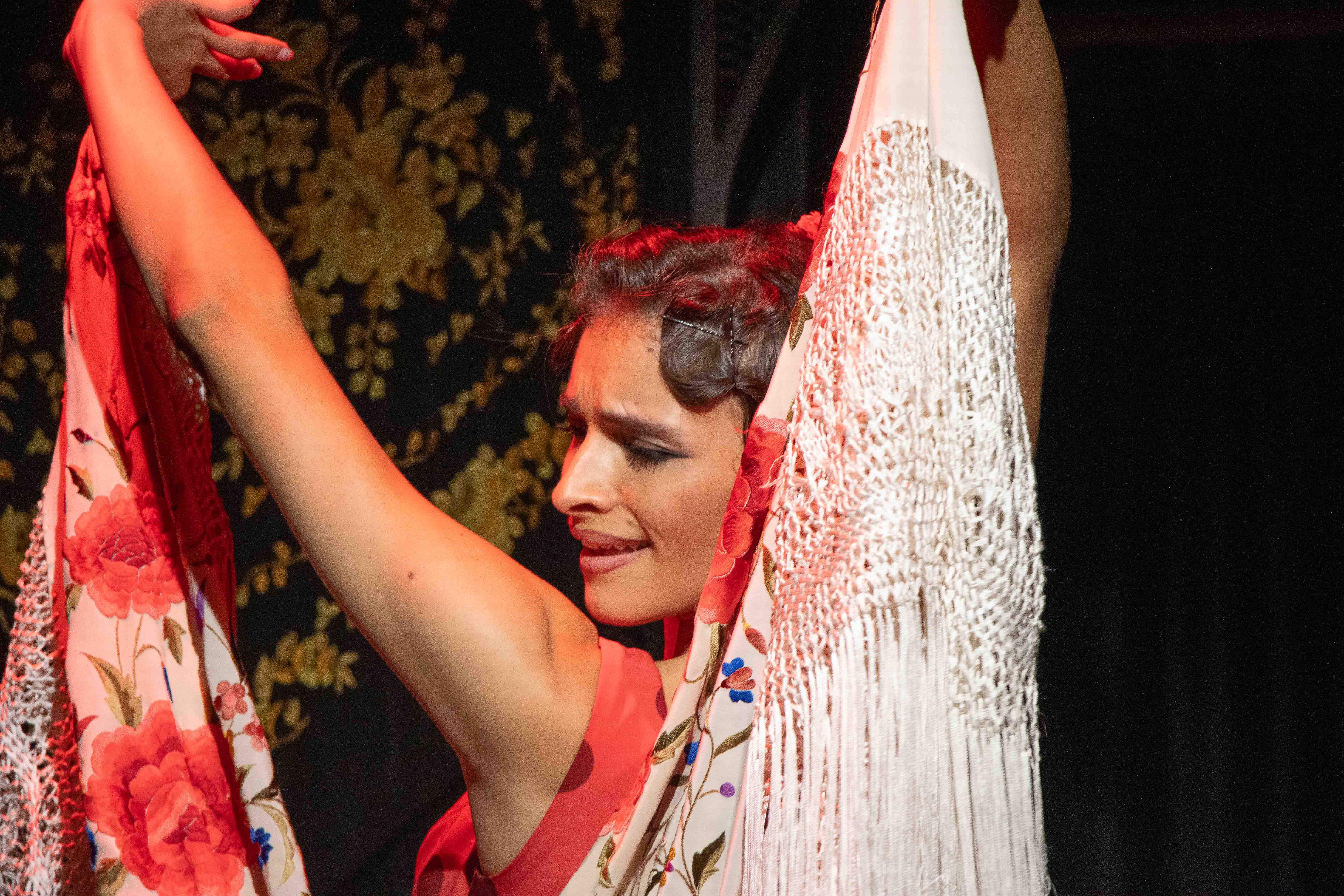
Long before tablaos as we know them, before recordings existed, and long before UNESCO named flamenco part of humanity's cultural heritage, a handful of singers were quietly defining what this art would become. They sang in taverns and in Gitano forges, without knowing the legacy they were building.
This is a guide to those early flamenco singers: who they were, and why their voices still echo through every tablao today.
Where It All Began
Among the earliest pioneers was Antonio Monge Rivero, known on stage as "El Planeta". He was a key figure, celebrated both for his deep, resonant voice and for his skill on the guitar.
His disciple "El Fillo" (Antonio Ortega Heredia, 1806-1854) gave flamenco the famous voz afillá: that raspy, aching, gravelly sound that still bears his name.
None of these early singers ever set foot in a recording studio. Yet their legend survived through oral tradition and the sheer emotional force of their performances.
Silverio Franconetti: The Man Who Took Flamenco Out of the Tavern
Born in Seville to an Italian father and a Spanish mother, Silverio Franconetti Aguilar learned Gitano singing in Morón de la Frontera. He was always a payo, an outsider in an art dominated by Gitano families, but he spent much of his life championing the cante he had absorbed as a boy.
His decisive contribution wasn't just artistic. It was entrepreneurial. Silverio turned flamenco into a profession by bringing it into the cafés cantantes, the nineteenth-century venues where flamenco first became a ticketed show rather than a tradition passed around for free.
His great rival was Tomás "El Nitri", El Fillo's own nephew. El Nitri was also among the first recipients of the Llave de Oro del Cante, the Golden Key of Flamenco Singing. The honor is so exacting that only five artists have ever held it in the entire history of the art: El Nitri, Manuel Vallejo, Antonio Mairena, Camarón de la Isla, and Fosforito.
Antonio Chacón and Manuel Torre: The Rivalry That Defined an Era
If Silverio blazed the trail, the next generation carried flamenco to its artistic height. And, as so often happens in this art, it took a legendary rivalry to get there.
Antonio Chacón started out as a child, touring Andalusia with guitarist Javier Molina and Molina's dancer brother to scrape together a living.
It was Silverio Franconetti himself who eventually hired him for his café in Seville.
Chacón commanded such respect that he earned the honorific "Don". Alongside guitarist Ramón Montoya, he laid down many of the harmonic structures flamenco still relies on today, and he was at his most brilliant in the free-form cantes.
His great counterpart was Manuel Torre, for decades regarded as the king of Jerez-style singing. Federico García Lorca once called him the man with more flamenco culture in his blood than anyone he had ever met.
Where Chacón dazzled night after night with flawless technique, Torre was famously erratic. But when the moment struck, those who were there say his singing grew so intense it left audiences emotionally wrecked.
That tension between technical perfection and raw emotional power is still, more than a century later, one of the defining fault lines every flamenco lover knows.
La Niña de los Peines: The Voice That Opened the Door for Women
No account of the early greats would be complete without Pastora María Pavón Cruz, known to the world as La Niña de los Peines.
A Gitana singer, she is widely regarded as one of the greatest voices in the history of flamenco. And she rose to that stature in an era when the spotlight belonged almost entirely to men.
Her repertoire covered virtually every style, from the most festive to the most profound. Her influence reached far beyond her own generation: she opened the door for every cantaora who followed, right up to the contemporary Catalan voices you can hear today in tablaos like ours.
Hear That Legacy Live at El Duende
Talking about names from over a century ago might sound like an exercise in nostalgia. It isn't.
The best way to understand why these names still matter isn't to read about them. It's to hear the tradition live, sung by the artists carrying it forward today.
At El Duende by Tablao Cordobes, at La Rambla 33 in the heart of Barcelona, that historical thread comes alive every single night.
El Duende is an intimate flamenco bar seating just 120 people, so the singer's voice reaches you up close, much as it must have sounded in those first cafés cantantes of the 1800s.
Shows run daily at 7:00 PM, 8:15 PM, and 9:30 PM, each lasting 50 to 55 minutes. The cast rotates constantly, with six or seven artists per performance and a mix of established names and rising talent.